How-to Tutorials

You had best rock that runway if life were a parade! Everyone is born with distinctive qualities that make them remarkable, from character to physical structure. The better the pageant, the more diverse the mix. In addition, just as humans come in all various sizes and shapes, so do clothes.
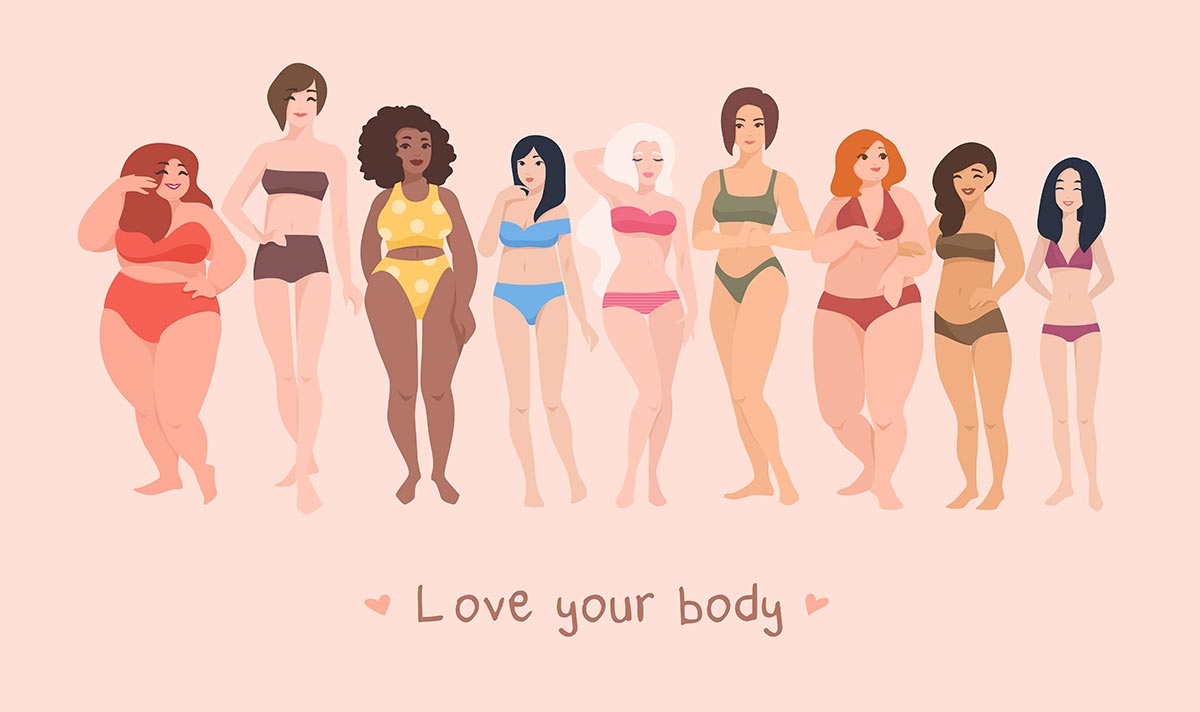
You had best rock that runway if life were a parade! Everyone is born with distinctive qualities that make them remarkable, from character to physical structure. The better the pageant, the more diverse the mix. In addition, just as humans come in all various sizes and shapes, so do clothes.


It takes confidence and poise to walk about feeling at ease in your own flesh. You must wear clothing that draws attention to the nicest parts of your physique if you want to do that. When you are unfamiliar with your body type, it can be challenging.


In order to enhance your appearance, this article will help you select a dress that will look fantastic and feel wonderful. We hope that after reading this, you will be better able to play up your style and enjoy your unique qualities.

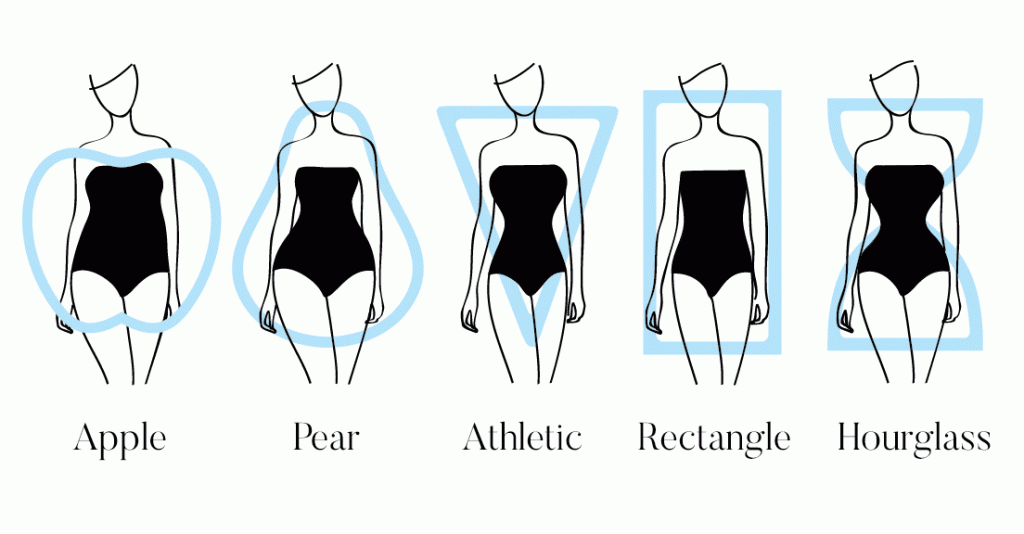
The five most common body types

While it's fun to follow trends, it might lower our self-esteem if we feel uneasy wearing the latest fashion. But keep in mind that trends are centered on broad impressions of what's popular at the moment, and that fluctuates constantly based on popular opinion.


There isn't really a standard for how a woman's physique should seem. Each woman's genetic makeup determines everything, and biology doesn't give a damn about fashion. However, there are several broad categories that support the fashion industry's ability to serve many demographics.


You can design your wardrobe using these categories to help make getting dressed more pleasurable and gratifying. The most typical examples are:

  • Apple (aka oval or round)
  • Pear (aka triangle)
  • Athletic (aka inverted triangle)
  • Rectangle (aka straight or banana)
  • Hourglass
The common body types

It's crucial to remember that there isn't a list of classes that is widely approved. Some locations only employ four, while others use eight or nine. Within each of the aforementioned kinds, sub-types may also exist.

How to determine your body type

Your lifestyle choices and physical activity can change how you look, but your bone structure, dimensions, and muscle distribution are largely hereditary. These elements determine body shape, not your weight. A wonderful first step toward self-love is realizing and accepting your body type. Finding snug and flattering fits will help you carry yourself with confidence if you dress for your shape.


Although you might be able to determine your body type by simply looking in the mirror, taking measurements is the most accurate technique.

  • Shoulders: Wrap the measuring tape over the top of your shoulders, at their widest position above the shoulder blades, while standing up straight and at ease.
  • Bust: Place the measuring tape over the largest area of your bust without pinching your chest while standing normally.
  • Waist: The area of your waist that is the narrowest is typically immediately above the belly button. Wrap the measuring tape around this area.
  • Hips: Just below your hip bones, wrap the measuring tape around the area of your hip that is the fullest, including the butt.

How to dress for each body type

Once your calculations are complete, you will be able to determine which body type is the most similar to yours based on your widest measurement. Although there are many various body types, the rectangle, apple, pear, and hourglass shapes are the ones most frequently seen in the fashion world.

Apple Body Type

Shout out to voluptuous women with jaw-dropping upper bodies who want to show off their slimmer arms and legs.


An apple body type, also known as a round or oval body shape, is distinguished by broad shoulders, a large bust, tiny hips, and a hazy waistline.


If this describes you, concentrate on emphasizing the contour of your breasts with A-line shapes and V-necks while highlighting your legs with high heels and short skirts or ultra-high-waisted thin jeans.

Any dresses that either define or draw attention away from the waist are a wonderful fit, including wrap dresses, boyfriend button-ups, flowy tunics, and more.

On an apple-shaped figure, strapless and off-the-shoulder designs also look fantastic. Select fabrics like silk, linen, tweed, gabardine, and cotton that sit close to your body without clinging.

Apple Body Shape Celebrity Inspiration
Apple-shape inspiration – R to L – Drew Barrymore, Angelina Jolie, Catherine Zeta-Jones

Pear Body Type

Hips are not lying! Everyone's eyes will be drawn to the pear shape's waist to hip ratio.


Pear body types, often known as spoon or triangle forms, have smaller shoulders and bust measurements and wider hips and thighs. These bodies typically have long, slender arms and narrow waistlines relative to the hips.


If you have this body type, full-skirted dresses or embroidered necklines can help draw attention away from your hips. With creative top shapes, open backs, large sleeves, and belted styles, you may draw attention to the waist, back, or neckline.


For ladies with this body shape, a-line and maxi dresses look very beautiful, especially when the hemline is just below the knee.
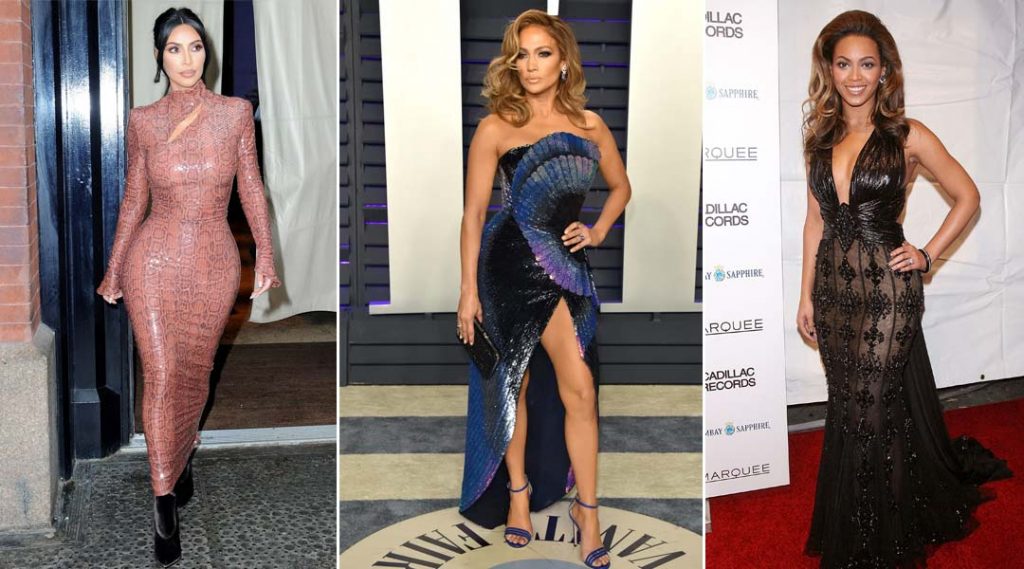
Pear Body Shape Celebrity Inspiration
Style Inspiration – From L to R – Kim Kardashian, Jennifer Lopez, Beyoncé

Rectangle Body Type

On this body type, anything looks good!


Rectangle body types, also known as straight or athletic body types, have generally uniform proportions and relatively straight waistlines. Women with rectangle-shaped bodies can experiment to find the right balance by drawing attention to certain aspects.


Rectangles can pull off the majority of statement-style bottoms if you want to emphasize your lower body. Use flowy pleating, vibrant prints, or daring flares to add volume.

If you decide to bring emphasis to the top half of your body, strive to emphasize your waist by emphasizing your arms and shoulders. Small busted rectangles can accentuate their upper body with embellished necklines or dramatic collars, whilst curvy rectangles look fantastic with crew, cowl, or V-neck garments.

Since the rectangular body form is the most prevalent, practically every dress is made to accommodate this shape. Examine various sleeve styles, belted waistlines, and busy prints.

Celebrities with a rectangle body shape
Style Inspiration – From L to R – Gwyneth Paltrow, Eva Longoria, Natalie Portman

Athletic/Inverted Triangle Body Type

Excellent shoulders of this sort are wider than your waist and hips. They frequently have wonderful, svelte legs.


When dressing for this type, your main goal should be to balance out your broad shoulders by emphasizing your lower body.


Choose dresses with details like ruffles or pleats below the hips to draw attention to your hips and legs. This can also help to define the waistline by bringing attention downward from the upper body.


The perfect neckline on a dress (or top) can also do wonders for you. Here, deep & narrow is the way to go, while large, square necklines and off-the-shoulder styles should be avoided.

Celebrities with Inverted Triangle Body Shape
Style Inspiration – From L to R – Jennifer Garner, Demi Moore, Reese Witherspoon

Hourglass Body Type

This body type is a hot pearl, with voluptuous proportions and a distinct waist.


These curvaceous body types have comparable chest and hip sizes and noticeably smaller waists. There are other variations, such as top hourglass figures—an inverted triangle with a distinct waist—where the bust is larger than the hips.


If you are one of the few ladies with this body shape, you should emphasize your curves and flaunt your waist. For this naturally balanced body type, wrap dresses, jumpsuits, sheaths, and fit-and-flare styles with nipped waists work well.

Hourglass Body Shape Celebrity Inspiration
Style Inspiration – From L to R – Sofia Vergara, Salma Hayek & Scarlett Johansson

Wrapping Up

It's important to embrace your individuality when dressing and to do it with pride. We hope that this manual will enable you to let go of any uncertainties and accept your body to the fullest.


Remember that these descriptions of body types are only generalizations, so don't panic if you don't quite fit one. There are certain bodies that are more tiny, some with longer frames, and some that are plus-sized.


You may create a wardrobe that highlights your favorite body features and balances your physique by understanding your proportions. You are already gorgeous. You must now explore and enjoy yourself!

When you're ready to seek help from a mental health expert, navigating your care options can be confusing. Should you speak with a clinical psychologist or a master's-educated psychotherapist? What sets a social worker apart from a licensed, experienced professional counselor? Who can help you, exactly?


What Is a Psychotherapist?

There are numerous meanings for the word "therapist." A therapist is a general term for any professional who is trained to provide treatment for people in order to improve some aspect of their physical or mental health, according to Simon Rego, Psy.D., chief of psychology at Montefiore Medical Center and associate professor at Albert Einstein College of Medicine in New York. For instance, there are psychotherapists, physical therapists, occupational therapists, and speech therapists.

The Anxiety and Depression Association of America (ADAA) defines a psychotherapist as a mental health professional who can fall under various headings, including but not limited to:

    • Licensed experts including counselors, psychologists, and psychiatrists.
    • Those without licenses who may have a master's degree in a relevant field or who are just in recovery from a mental illness and are mentoring others based on their own experiences.

      “The term ‘psychotherapist’ can refer to anyone who uses talk therapy in an attempt to treat people for their emotional problems,” says Rego.

      What Is a Psychologist?

      According to the American Psychological Association, a clinical or counseling psychologist is a mental health specialist who completed graduate school and has a doctorate in clinical psychology or counseling psychology (APA). According to Rego, these degrees—a doctor of philosophy (Ph.D.) or a doctor of psychology (Psy.D.)—are followed by a clinical internship, passing national and state tests, and then state licensure. While they may use the more general term "psychologist" in other professional contexts, such as research or teaching, people who have received a Ph.D. or Psy.D. and undergone clinical rotations are not permitted to practice as clinicians to assess or treat patients.

      “It’s important to remember, however, that not all psychologists are experienced therapists,” adds Rego. “Many specialize in areas like research or teaching and may have very little experience treating people.”

      Remember that a psychiatrist is someone who has gone to medical school, obtained a doctor of medicine (MD) or doctor of osteopathic medicine (DO) degree, and finished a residency in psychiatry. A clinical or counseling psychologist is another type of professional. They are able to prescribe drugs due to this distinction. Since most psychiatrists are not trained in psychotherapy, they collaborate with clinical psychologists and psychotherapists to create an all-encompassing treatment team that can assist people in achieving their mental health objectives.

      What Is the Difference Between a Therapist and a Psychologist?

      Psychotherapists can be clinical or counseling psychologists, but not all psychotherapists are psychologists. Ashley C. Kennedy, a psychotherapist based in Los Angeles, explains that unlike psychologists and psychiatrists, who must earn a specific doctoral degree, psychotherapists can become licensed as a professional counselor (LPC), licensed social worker (LCSW), or licensed marriage and family therapist (LMFT) with a master's degree.

      “They can work with individuals, families and couples and are generally focused on the relationships that constitute people’s lives,” says Kennedy. “They work in private practices, social service agencies and hospitals.”

      While Kennedy points out that psychologists might also concentrate on research and operate in academic, governmental, or clinical health care contexts, they also frequently employ many of the same techniques as the therapists previously mentioned. “Their expertise is more in-depth in regard to severe mental health disorders, [and] clinical psychologists who develop a specialty in neuropsychological evaluations can also provide diagnostic assessment and testing,” she adds.


      Similarities: Therapist vs. Psychologist

      • Both can promote emotional and mental health.
      • Both can make a mental health diagnosis.
      • Both can offer therapies and strategies for overcoming behavioral or mental health issues.
      • A state-certified license is required for each.
      • In the majority of states, neither may recommend medication to patients or clients.

            Differences: Therapist vs. Psychologist

            • Doctoral degrees in clinical psychology or counseling psychology were obtained by psychologists during graduate study.
            • Not all psychologists have therapy experience; some specialize in teaching or research.
            • Therapists can be used to refer to all psychologists, however not all therapists are psychologists.

              Should I See a Therapist or Psychologist?

              Ask about credentials when seeking for any kind of psychotherapist. As you can see, not all psychotherapists hold the same knowledge in the same disciplines, therefore this information is crucial based on the type of treatment you're seeking. Additionally, the majority do not recommend drugs. Psychiatrists and, in some places, clinical psychologists are often the only healthcare professionals with the authority to counsel on and manage medications because state regulations permit them to do so.

              The qualifications of a mental health professional to provide you with safe and effective care, including their educational background, legal licensing, and clinical experience, should be your top priorities when choosing one to work with.

              “Both clinical and counseling psychologists and psychotherapists have had the training to help people sort out their lives and move toward the best paths for their futures,” says Kennedy. “Psychotherapists can be supportive in helping people find clarity and more fulfillment in their lives while strengthening their interpersonal skills and their relationships. Clinical and Counseling psychologists are also adept in those areas, but some who choose to specialize further can test, diagnose and treat acute mental illnesses that stretch beyond general life issues as well.”

              Cost of Therapists Vs. Psychologists

              The cost of a session with a therapist or psychologist depends on a variety of variables, including:

              • Where you reside
              • No matter if you go to a private practice (which might charge higher fees)
              • Regardless of whether you use group therapy sessions, neighborhood clinics, or an internet app (where you'll frequently pay less) to access services,
              • Whether your provider has a sliding scale for payments based on your income (most do)
              • Whether a medical professional takes your particular insurance

                    Before choosing a provider, it's always a good idea to acquire a clear understanding of the cost structure because there are no hard and fast rules about how much you should anticipate to pay for mental health treatments.


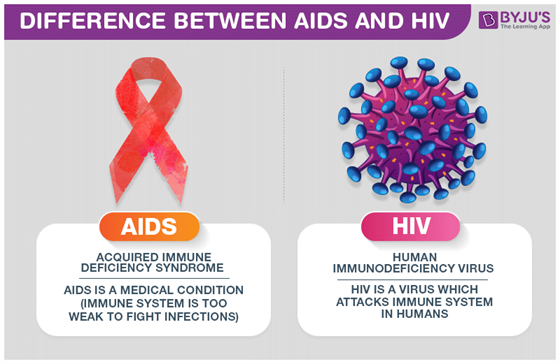
                    AIDS and HIV are frequently used interchangeably. But they are totally dissimilar from one another. HIV is the virus causing AIDS, an immunodeficiency condition.

                    Due to the dearth of knowledge about the disease, the distinction between AIDS and HIV may appear to be fairly subtle. Let's examine the distinctions between HIV and AIDS in more detail.

                    AIDS vs HIV

                    Following are the important difference between AIDS and HIV:

                    Difference Between AIDS and HIV

                    AIDSHIV
                    Acquired Immunodeficiency Syndrome (AIDS) is a disease.Human Immunodeficiency Virus (HIV) is the causal factor (reason) for AIDS
                    Complications and secondary infections from this disease kill the host.The virus is incapable of killing a host by itself.
                    AIDS is a condition acquired only after the contraction of HIVHIV is a virus and like other viruses, can spread from person to person.

                    What Is HIV?

                    Human Immunodeficiency Virus is referred to as HIV. If the virus is not treated, it causes acquired immunodeficiency syndrome, or AIDS. Even with appropriate therapy, the human body is unable to totally eradicate HIV, unlike certain other infections. So, once you contract HIV, you will always have it.

                    What Is AIDS?

                    The most severe stage of HIV infection is AIDS. Due to their severely compromised immune systems, people with AIDS may develop an increasing number of severe illnesses known as opportunistic infections.

                    To Summarize

                    • AIDS, also known as acquired immunodeficiency syndrome, is a persistent, possibly fatal illness brought on by the virus (HIV).
                    • The illness does not automatically result in death. Your immune system is weakened, which makes it extremely vulnerable to infections and other secondary disorders.
                    • An immuno-compromised patient may die as a result of these secondary infections' devastating consequences.
                    • These days, having AIDS does not automatically mean death. An infected person can live a life that is nearly normal thanks to some therapies and drugs.

                    Only at BYJU'S Biology, stay tuned to learn more about the distinction between AIDS and HIV.

                    Frequently Asked Questions

                    What is HIV?

                    The HIV (Human Immunodeficiency Virus) virus weakens the immune system's defenses against other illnesses and infections.

                    How Is HIV Transmitted?

                    HIV may only be spread by a few precise actions, like:

                    • Unprotected sexual activity,
                    • Transfer of contaminated blood,
                    • Sharing contaminated needles or other pointed objects,
                    • During pregnancy, childbirth, and breastfeeding, from a mother to her infant.

                    What Are the Stages of HIV Infection?

                    HIV may only be spread by a few precise actions, like

                    The HIV infection process has three stages:

                    • Acute HIV infection
                    • Clinical latency
                    • AIDS – Acquired Immunodeficiency Syndrome.

                    What are the early symptoms of HIV infection?

                    People who have HIV frequently feel like they have the flu. Other early indications comprise:

                    • Fever
                    • Fatigue
                    • Headaches
                    • Swollen lymph nodes in the neck and groin area

                    What are the treatments for HIV?

                    More than 25 medications are available and authorized to treat HIV-positive people. These medicines are referred to as antiretroviral drugs and are part of a treatment regimen known as antiretroviral therapy, or ART.

                    List out the different types of the human immunodeficiency virus (HIV)?

                    The Human Immunodeficiency Virus (HIV) has two primary strains: HIV-1 and HIV-2. Both have the potential to cause AIDS and differ greatly from one another.


                    The science cannot be contested. A diet rich in plant-based foods is extremely beneficial to your health. In contrast to a vegan or vegetarian diet, what exactly is a plant-based diet? Should we stop eating meat and dairy products?

                    Fruit and vegetables laid out on a table with blueberries in a heart shape

                    ‘Eat food, not too much, mostly plants’ – Michael Pollen

                    What is a plant-based diet?

                    A plant-based diet is a manner of eating where the emphasis is on putting as much plant food on your plate as possible.

                    Plant-based food examples include:

                    • Vegetables
                    • Fruit
                    • Legumes (like lentils and chickpeas)
                    • Whole grains
                    • Nuts
                    • Seeds.

                    The more of these items you put on your plate and the more closely these foods match how they are found in nature (i.e., the less processing), the better for your body they will be.

                    Being restrictive is not the point of this eating style. Those who consume a diet high in plants may nevertheless opt to consume small amounts of dairy, fish, poultry, and other animal products (also known as semi-vegetarian, flexitarian or pescatarian). It's wonderful that there is no "one size fits all" method.

                    What’s the difference between a vegan and vegetarian diet?

                    For a variety of reasons, some vegans and vegetarians opt not to consume meat and other animal products. A vegetarian diet forgoes meat, poultry, fish, and seafood, while a vegan diet forgoes all meat and animal products (including dairy, eggs, fish, and seafood). There are a few vegetarian diet variations, though, depending on whether you consume or abstain from eggs, dairy, and seafood (see table below).

                    Different styles of plant-based eating

                    Name of dietDescription
                    Semi-vegetarian or flexitarian 

                    includes eggs and dairy

                    may include small amounts of meat, poultry, fish and seafood

                    Pescatarian

                    includes eggs, dairy, fish and seafood

                    excludes meat and poultry

                    Ovo-vegetarian

                    includes eggs

                    excludes meat, poultry, fish, seafood and dairy
                    Lacto-vegetarian

                    includes dairy

                    excludes meat, poultry, fish, seafood and eggs

                    Vegetarian

                    (a.k.a. lacto-ovo vegetarian)

                    includes eggs and dairy

                    excludes meat, poultry, fish and seafood

                    Vegan

                    excludes all meat, poultry, fish, seafood, eggs and dairy 

                    What are the benefits of a plant-based diet?

                    Your risk of heart disease is reduced, and your general health is improved, by eating a diet high in whole, minimally processed plant foods.

                    In addition to being high in fiber and low in saturated fat, fruits, vegetables, legumes, whole grains, nuts, and seeds also include heart-healthy fats. They provide our bodies with nutrients including vitamins, minerals, antioxidants, and phytochemicals that can stave off disease.

                    Vegetarian and vegan diets are clearly linked to a lower risk of heart disease, according to research on dietary trends. Blood pressure and Low Density Lipoprotein (LDL) cholesterol are often lower in vegans and vegetarians compared to non-vegetarians. According to several research, a well-planned vegan and vegetarian diet can help people maintain their blood sugar levels and may even lessen body inflammation.

                    The most important finding from the evidence is that vegetarians and vegans generally have better lives, which somewhat (but not entirely) explains the lower risk observed in these populations. People who eat vegetarianism, for instance, might be more physically active and drink less alcohol.

                    Should I switch to a vegan diet?

                    You don't have to switch to a vegan or vegetarian diet in order to eat more plant-based meals. For many of us, simply making an effort to consume more plant-based meals and fewer processed foods each day will have a huge positive impact on your health and heart disease risk.

                    Regardless of whether meat or dairy is consumed, a high intake of fruits and vegetables is linked to a lower risk of heart disease and early death.

                    There are many different eating habits that encourage a long and healthy life and involve differing amounts of meat and dairy. The traditional Mediterranean cuisine, the vegetarianism of Seventh-Day Adventists, and the predominately plant-based diet of the Okinawans in Japan are a few well-known examples from the "Blue Zones." All of these populations have one thing in common: they eat mainly plant-based foods.

                    How can I eat more plant-based foods?

                    Consider a strategy that is realistic for you and your family as a good place to start. Take into account making gradual changes to include more plant-based items on your plate.

                    Here are some dish suggestions for vegetables and legumes to get you started.

                    Is a plant-based diet healthy?

                    Not all plant-based diets are healthful. Soft beverages, hot chips, and biscuits are all examples of vegan and vegetarian cuisine. Any excess of saturated fat, sugar, or salt is bad for your health. From vegan sweet treats to vegetarian hotdogs, processed plant meals are becoming more and more prevalent on store shelves. Some of these items can actually have more salt and sugar content than typical foods.

                    Whether or not they are made of plants, highly processed meals should always be consumed with awareness. Learn to read food labels so you can make the best decisions possible when buying things.

                    Nutrients for vegan and vegetarian diets

                    If you decide to follow a vegan or vegetarian diet, keep in mind that, particularly for pregnant or breast-feeding women, infants, and young children, getting all the vital nutrients you require may require careful preparation. Alternative supplies of omega-3 fatty acids, iron, zinc, and calcium may be required, as well as protein (such as tofu, tempeh, legumes, nuts, and seeds). If you are cutting off all animal products, you should also think about taking vitamin B12. Supplements or fortified foods may be required (particularly for B12).

                    Talk to your doctor or practice nurse if you're considering being vegetarian or vegan, and seek assistance from a dietitian or licensed nutritionist as well.

                    What does the Heart Foundation recommend?

                    There are many ways to eat for a healthy heart, and a variety of diets, including those with and without dairy, small amounts of meat, chicken, fish, and other animal products, can be heart-friendly.

                    No matter which diet you opt for, we advise making plant foods the star of your meals and snacks by piling them high on your plate, including fruits, vegetables, whole grains, legumes, nuts, and seeds.

                    The quality of your diet overall and mastering the principles of eating a healthy diet are what matter most. With the exception of a few, most of us would benefit by eating more plant-based foods and fewer processed foods. For many of us, adopting a plant-based diet may be most realistic and sustainable when using a "flexitarian" approach.


                    Climate is the average daily weather over a lengthy period of time in a specific location, as opposed to weather, which represents short-term atmospheric conditions.

                    the mouth of the Russian River

                    A storm darkens the sky at the mouth of the Russian River, north of Bodega Bay, Calif. Weather can change from minute-to-minute, hour-to-hour, day-to-day, and season-to-season. Climate, is the average of weather over time and space.

                    We frequently hear about the weather and climate. To arrange our days, the majority of us consult the local weather prediction. Furthermore, climate change is unquestionably a "hot" news topic. The differences between the two continue to cause a lot of confusion.

                    Consider it like this: Climate is what you anticipate, weather is what you experience.

                    What you see outside on any given day is the weather. So, for instance, it may be 20 degrees with heavy snow or it could be 75 degrees and sunny. That is the climate.

                    The average of the weather is the climate. As an illustration, you can anticipate snow in the Northeast in January or hot and muggy weather in the Southeast in July. Climate is this. Extreme values, such as record-breaking high temperatures or heavy rainfall, are also part of the climatic record. Climate records are what your local weather person means when she says, "Today we hit a record high for this day."

                    Therefore, when we discuss climate change, we are referring to changes in long-term daily weather averages. The weather can vary from minute to minute, hour to hour, day to day, and season to season in most regions. The average of the weather through time and space, however, is the climate.


                    By far, cooking meatballs in the oven is the simplest method available. Not only is it possible to cook a large number of things at once, but you can also make sure that each meatball is cooked uniformly. Additionally, it is convenient that the meatballs do not need to be constantly turned over in the skillet. Instead, you can prepare other components of the dinner while they bake in the oven.

                    Although cooking meatballs in a skillet is a perfectly acceptable method, after I discovered how to bake them in the oven, I never went back to the way I used to do it.

                    Baking meatballs in the oven is the simplest method of cooking them. A straightforward meatball recipe that can be used for Swedish meatballs, spaghetti sauce, honey garlic sauce, and more!
                    Prep Time: 15 minutes
                    Cook Time: 20 minutes
                    Total Time: 39 minutes
                    Servings: 28 meatballs

                    Ingredients

                    • 2 pounds ground beef
                    • 1/2 cup parmesan cheese
                    • 1/3 cup milk
                    • 2 eggs
                    • 3/4 cup bread crumbs
                    • 1 tsp salt
                    • 1/2 tsp black pepper
                    • 1/2 tsp garlic powder

                    Cooking meatballs has never been easier than baking them in the oven. A simple recipe for meatballs that can be used in spaghetti sauce, with honey garlic sauce, for swedish meatballs and more!

                    1. In a bowl, combine all the ingredients.

                    Cooking meatballs has never been easier than baking them in the oven. A simple recipe for meatballs that can be used in spaghetti sauce, with honey garlic sauce, for swedish meatballs and more!

                    2. Knead the meat mixture to ensure that everything is thoroughly combined.

                    Cooking meatballs has never been easier than baking them in the oven. A simple recipe for meatballs that can be used in spaghetti sauce, with honey garlic sauce, for swedish meatballs and more!

                    3. Place the meatballs, which should be about 1 1/2 inches in diameter, on a baking sheet that has been lined with parchment paper. The meatballs won't adhere to the baking pan thanks to parchment paper, which also makes cleanup simpler.

                    Oven baked meatball recipe

                    4. Cook for 20 to 24 minutes at 400°F in the oven, or until well heated. All of the meatballs should have an exterior that is evenly cooked and well browned.

                    Cooking meatballs has never been easier than baking them in the oven. A simple recipe for meatballs that can be used in spaghetti sauce, with honey garlic sauce, for swedish meatballs and more!

                    5. Once prepared, they can be tossed with honey garlic sauce and served as an appetizer or added to spaghetti sauce and topped with noodles. These are also delicious in a meatball sub with marinara and mozzarella cheese, in my opinion.

                    Oven baked meatball recipe

                    We adore meatballs and use them into numerous recipes. Almost every recipe that calls for cooked meatballs works just as well when the meatballs are baked in the oven. They can be included in the dish after baking.

                    Contact Form

                    Name Email * Message *

                    Menu Halaman Statis

                    Popular Posts

                    8 Facts About Rebecca Ferguson | Model Kebaya Terbaru | Les Meilleures Pages à Colorier