How-to Tutorials
Showing posts with label Food. Show all posts

The Difference Between A Vegan And Vegetarian Diet


The science cannot be contested. A diet rich in plant-based foods is extremely beneficial to your health. In contrast to a vegan or vegetarian diet, what exactly is a plant-based diet? Should we stop eating meat and dairy products?

Fruit and vegetables laid out on a table with blueberries in a heart shape

‘Eat food, not too much, mostly plants’ – Michael Pollen

What is a plant-based diet?

A plant-based diet is a manner of eating where the emphasis is on putting as much plant food on your plate as possible.

Plant-based food examples include:

  • Vegetables
  • Fruit
  • Legumes (like lentils and chickpeas)
  • Whole grains
  • Nuts
  • Seeds.

The more of these items you put on your plate and the more closely these foods match how they are found in nature (i.e., the less processing), the better for your body they will be.

Being restrictive is not the point of this eating style. Those who consume a diet high in plants may nevertheless opt to consume small amounts of dairy, fish, poultry, and other animal products (also known as semi-vegetarian, flexitarian or pescatarian). It's wonderful that there is no "one size fits all" method.

What’s the difference between a vegan and vegetarian diet?

For a variety of reasons, some vegans and vegetarians opt not to consume meat and other animal products. A vegetarian diet forgoes meat, poultry, fish, and seafood, while a vegan diet forgoes all meat and animal products (including dairy, eggs, fish, and seafood). There are a few vegetarian diet variations, though, depending on whether you consume or abstain from eggs, dairy, and seafood (see table below).

Different styles of plant-based eating

Name of dietDescription
Semi-vegetarian or flexitarian 

includes eggs and dairy

may include small amounts of meat, poultry, fish and seafood

Pescatarian

includes eggs, dairy, fish and seafood

excludes meat and poultry

Ovo-vegetarian

includes eggs

excludes meat, poultry, fish, seafood and dairy
Lacto-vegetarian

includes dairy

excludes meat, poultry, fish, seafood and eggs

Vegetarian

(a.k.a. lacto-ovo vegetarian)

includes eggs and dairy

excludes meat, poultry, fish and seafood

Vegan

excludes all meat, poultry, fish, seafood, eggs and dairy 

What are the benefits of a plant-based diet?

Your risk of heart disease is reduced, and your general health is improved, by eating a diet high in whole, minimally processed plant foods.

In addition to being high in fiber and low in saturated fat, fruits, vegetables, legumes, whole grains, nuts, and seeds also include heart-healthy fats. They provide our bodies with nutrients including vitamins, minerals, antioxidants, and phytochemicals that can stave off disease.

Vegetarian and vegan diets are clearly linked to a lower risk of heart disease, according to research on dietary trends. Blood pressure and Low Density Lipoprotein (LDL) cholesterol are often lower in vegans and vegetarians compared to non-vegetarians. According to several research, a well-planned vegan and vegetarian diet can help people maintain their blood sugar levels and may even lessen body inflammation.

The most important finding from the evidence is that vegetarians and vegans generally have better lives, which somewhat (but not entirely) explains the lower risk observed in these populations. People who eat vegetarianism, for instance, might be more physically active and drink less alcohol.

Should I switch to a vegan diet?

You don't have to switch to a vegan or vegetarian diet in order to eat more plant-based meals. For many of us, simply making an effort to consume more plant-based meals and fewer processed foods each day will have a huge positive impact on your health and heart disease risk.

Regardless of whether meat or dairy is consumed, a high intake of fruits and vegetables is linked to a lower risk of heart disease and early death.

There are many different eating habits that encourage a long and healthy life and involve differing amounts of meat and dairy. The traditional Mediterranean cuisine, the vegetarianism of Seventh-Day Adventists, and the predominately plant-based diet of the Okinawans in Japan are a few well-known examples from the "Blue Zones." All of these populations have one thing in common: they eat mainly plant-based foods.

How can I eat more plant-based foods?

Consider a strategy that is realistic for you and your family as a good place to start. Take into account making gradual changes to include more plant-based items on your plate.

Here are some dish suggestions for vegetables and legumes to get you started.

Is a plant-based diet healthy?

Not all plant-based diets are healthful. Soft beverages, hot chips, and biscuits are all examples of vegan and vegetarian cuisine. Any excess of saturated fat, sugar, or salt is bad for your health. From vegan sweet treats to vegetarian hotdogs, processed plant meals are becoming more and more prevalent on store shelves. Some of these items can actually have more salt and sugar content than typical foods.

Whether or not they are made of plants, highly processed meals should always be consumed with awareness. Learn to read food labels so you can make the best decisions possible when buying things.

Nutrients for vegan and vegetarian diets

If you decide to follow a vegan or vegetarian diet, keep in mind that, particularly for pregnant or breast-feeding women, infants, and young children, getting all the vital nutrients you require may require careful preparation. Alternative supplies of omega-3 fatty acids, iron, zinc, and calcium may be required, as well as protein (such as tofu, tempeh, legumes, nuts, and seeds). If you are cutting off all animal products, you should also think about taking vitamin B12. Supplements or fortified foods may be required (particularly for B12).

Talk to your doctor or practice nurse if you're considering being vegetarian or vegan, and seek assistance from a dietitian or licensed nutritionist as well.

What does the Heart Foundation recommend?

There are many ways to eat for a healthy heart, and a variety of diets, including those with and without dairy, small amounts of meat, chicken, fish, and other animal products, can be heart-friendly.

No matter which diet you opt for, we advise making plant foods the star of your meals and snacks by piling them high on your plate, including fruits, vegetables, whole grains, legumes, nuts, and seeds.

The quality of your diet overall and mastering the principles of eating a healthy diet are what matter most. With the exception of a few, most of us would benefit by eating more plant-based foods and fewer processed foods. For many of us, adopting a plant-based diet may be most realistic and sustainable when using a "flexitarian" approach.
How to Bake Meatballs in The Oven


By far, cooking meatballs in the oven is the simplest method available. Not only is it possible to cook a large number of things at once, but you can also make sure that each meatball is cooked uniformly. Additionally, it is convenient that the meatballs do not need to be constantly turned over in the skillet. Instead, you can prepare other components of the dinner while they bake in the oven.

Although cooking meatballs in a skillet is a perfectly acceptable method, after I discovered how to bake them in the oven, I never went back to the way I used to do it.

Baking meatballs in the oven is the simplest method of cooking them. A straightforward meatball recipe that can be used for Swedish meatballs, spaghetti sauce, honey garlic sauce, and more!
Prep Time: 15 minutes
Cook Time: 20 minutes
Total Time: 39 minutes
Servings: 28 meatballs

Ingredients

  • 2 pounds ground beef
  • 1/2 cup parmesan cheese
  • 1/3 cup milk
  • 2 eggs
  • 3/4 cup bread crumbs
  • 1 tsp salt
  • 1/2 tsp black pepper
  • 1/2 tsp garlic powder

Cooking meatballs has never been easier than baking them in the oven. A simple recipe for meatballs that can be used in spaghetti sauce, with honey garlic sauce, for swedish meatballs and more!

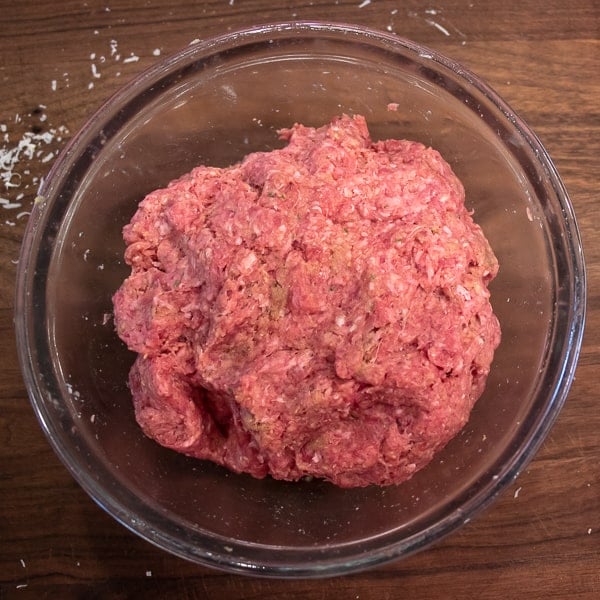
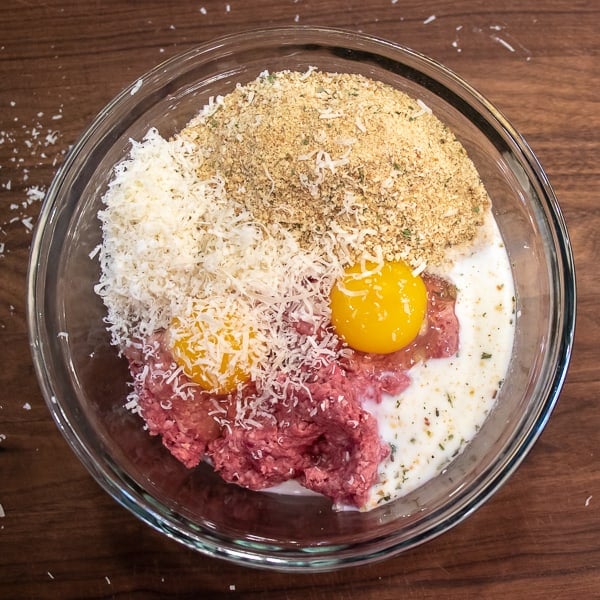
1. In a bowl, combine all the ingredients.

Cooking meatballs has never been easier than baking them in the oven. A simple recipe for meatballs that can be used in spaghetti sauce, with honey garlic sauce, for swedish meatballs and more!

2. Knead the meat mixture to ensure that everything is thoroughly combined.

Cooking meatballs has never been easier than baking them in the oven. A simple recipe for meatballs that can be used in spaghetti sauce, with honey garlic sauce, for swedish meatballs and more!

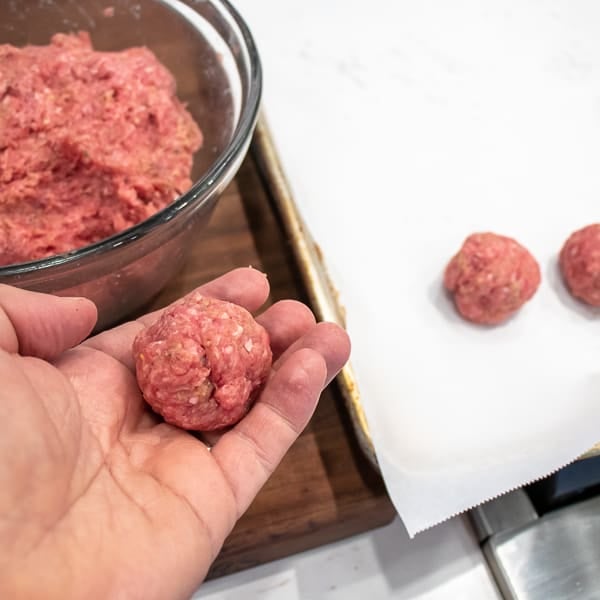
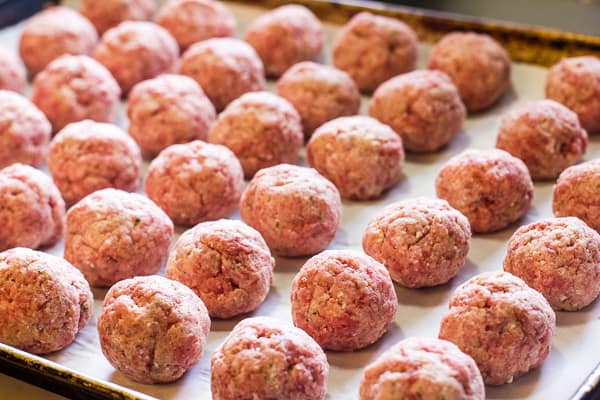
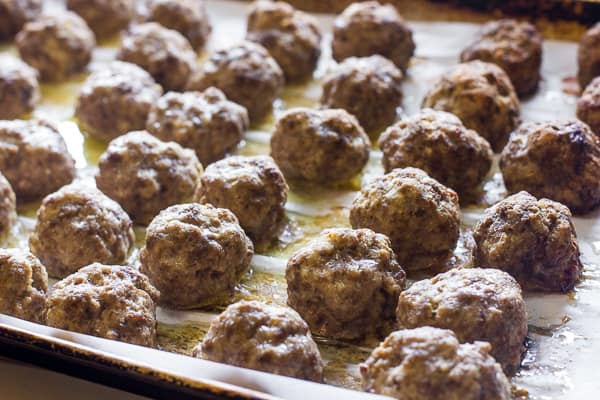
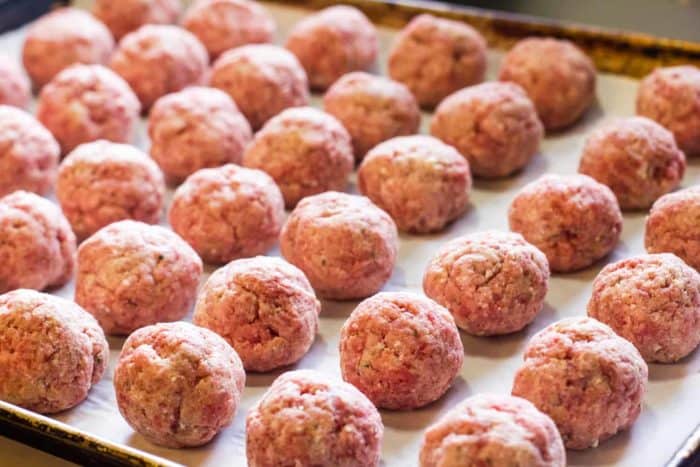
3. Place the meatballs, which should be about 1 1/2 inches in diameter, on a baking sheet that has been lined with parchment paper. The meatballs won't adhere to the baking pan thanks to parchment paper, which also makes cleanup simpler.

Oven baked meatball recipe

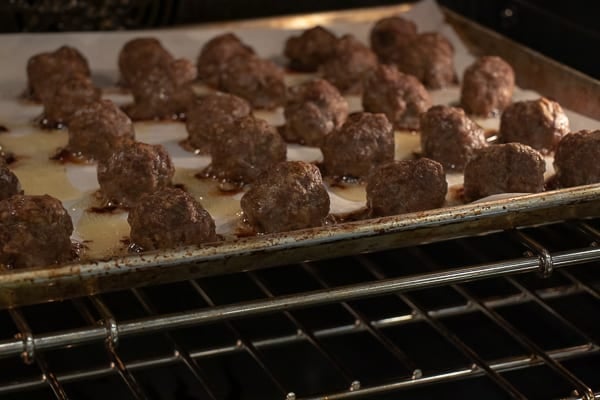
4. Cook for 20 to 24 minutes at 400°F in the oven, or until well heated. All of the meatballs should have an exterior that is evenly cooked and well browned.

Cooking meatballs has never been easier than baking them in the oven. A simple recipe for meatballs that can be used in spaghetti sauce, with honey garlic sauce, for swedish meatballs and more!

5. Once prepared, they can be tossed with honey garlic sauce and served as an appetizer or added to spaghetti sauce and topped with noodles. These are also delicious in a meatball sub with marinara and mozzarella cheese, in my opinion.

Oven baked meatball recipe

We adore meatballs and use them into numerous recipes. Almost every recipe that calls for cooked meatballs works just as well when the meatballs are baked in the oven. They can be included in the dish after baking.

How to Make Indian Butter Chicken


How to Make Indian Butter Chicken. I just recently learned about Tieghan Gerard's Half Baked Harvest blog, which she started almost ten years ago when she was only 18 years old. She comes from a large family of ten, and she discovered she loved helping her mother prepare dinner after years of doing it. Tieghan develops her recipes and produces the breathtakingly beautiful photos in a converted horse barn where she resides and works in Colorado. She has published two cookbooks, won numerous awards, and is a well-known Instagram user.

What is Butter Chicken?

Butter chicken is a creamy chicken dish with a spiced tomato sauce. It's made with a generous amount of butter and heavy cream, as the name suggests. It's not particularly spicy, but you can increase the heat if desired.

What's in This Butter Chicken?

The majority of the ingredients for this simple butter chicken recipe are spices and other aromatics. You may need to purchase a few for this recipe, but they can all be used in a variety of other recipes.

You will need the following ingredients to make this Indian butter chicken:

  • Vegetable oil
  • Butter
  • Onion
  • Spices
  • Tomato paste
  • Tomato sauce
  • Bay leaf
  • Cream
  • Chicken thighs
  • Salt and pepper
  • Frozen peas
  • Lime
  • Fresh cilantro

Butter Chicken Recipe

To begin making this Indian butter chicken, sauté the diced onion in olive oil and butter until translucent. Continue to cook the spices in the skillet until fragrant. Combine the tomato paste, sauce, and bay leaf in a mixing bowl.

Stir in the cream gradually, then bring to a boil before lowering the heat and simmering for 5 minutes.

In a separate skillet, brown the diced chicken on all sides in a buttered and oiled skillet. Continue to cook the chicken in the tomato cream sauce until it is no longer pink on the inside.

Continue cooking the peas and remaining butter in the sauce until the peas are heated through. Garnish the butter chicken with lime and cilantro and serve over basmati rice.

Is there an alternative to cream that I can use?

If you want to make this butter chicken recipe a little healthier, you can sub full fat plain Greek yogurt for all or part of the cream. I've never made this recipe as written, but you could try it. Please let me know if you succeed!

Can I prepare this ahead of time?

Indian butter chicken, like most recipes, is best the day it's made, but leftovers reheat well thanks to the tomato cream sauce. If you have leftovers or want to meal prep this recipe, reheat it in a saucepan with the lid on to avoid drying out the chicken.

Depending on how much sauce remains, you may need to add a splash of cream to the pan to loosen the leftover chicken.

How to Make Indian Butter Chicken

If you only have chicken breasts, use them in this simple butter chicken recipe. Thighs, on the other hand, have the most flavor!

If you like spicy Indian dishes, add a dash of cayenne pepper to this recipe. Be cautious because a little goes a long way.

Finally, if desired, you can add a variety of other vegetables to this butter chicken. I kept it simple with frozen peas, but any vegetable tastes delicious in the tomato cream sauce.

Easy Kid Lunches For Summer


With this filling summer lunch recipes that are bursting with healthy vegetables, you can keep your kids going all day. No of the weather, you can enjoy more time with your family by spending less time in the kitchen and more time outside!

Roast tomato soup with pasta

Roast tomato and orzo pasta soup topped with pesto and Parmesan shavings

Make this colorful tomato soup, which is loaded with vegetables and has orzo pasta for additional texture, for a healthy family dinner. Pour the soup into a flask and top with a sprinkle of parmesan or a spray of pesto to make a packed lunch. Breadsticks should be provided on the side.

Rice & quinoa prawn sushi bowl

Rice, prawn, avocado and cucumber sushi bowl with chopsticks

With our fresh family sushi bowl inspired by Japanese cuisine, take your palate to the Far East. This nutritious recipe offers quinoa as a source of protein, sweet potatoes as a slow-release carbohydrate, and avocado as a source of healthy fats. The components can also be placed right into bowls or lunchboxes with lids for the following day.

Cod & pea fritters

Three cod and pea fritters

These cod and pea fritters are a wonderful way to utilize leftovers since they are crisp on the exterior and soft in the interior. With tomatoes and rocket, serve this straightforward family meal, or put it in a lunchbox once it has cooled.

Sticky pork lettuce wraps

Assembling lettuce pork wraps with ingredients from pots

Make these simple lettuce and pork wraps for a refreshing summer meal. Prior to cooking, marinate the pork steaks in a delectable mixture of honey, soy sauce, and spices. Following that, kids can put together their own wraps using the pork, carrot, and cucumber matchsticks. Pack them join-side down if you're making them for a school lunch to prevent them from opening.

Chicken & sweetcorn ramen

Bowl of ramen with eggs, sliced chicken and sweetcorn

For a light summer lunch, prepare these simple pork and lettuce wraps. Prepare the pork steaks in advance by marinating them in a delectable mixture of honey, soy sauce, and spices. Then, using the pork, carrot, and cucumber matchsticks, kids may create their own wraps. Pack them join-side down if you're preparing them for a school lunch so they don't open.

Egg & cress club sandwiches

Two skewers with triple layered egg and cress sandwiches

Instead of settling for a basic two-layered club sandwich, try this triple-decker toasted club sandwich. These delicate egg and cress sandwiches are held together by skewers so they don't disintegrate throughout the trip, making them ideal for a summertime family picnic.


Traditional Korean Food: 10 Excellent Korean Recipes


In vivacious Seoul, you can find excellent Korean food almost anywhere, from street vendors in small lanes to elegant restaurants within 5-star hotels. Many of these dishes have been enjoyed by Korean royal families solely for more than 2,000 years.

Korean cuisine is now so well-known that both locals and visitors describe it as savory, spicy, hearty, and nutrient-rich treats that can be savored any time of day. We've put up a list of the top Korean dishes in Seoul that you just must try when visiting the nation's capital.

1

Kimchi


This traditional Korean cuisine has a history extending back more than 2,000 years to the Shilla Dynasty. Korean cabbage, radish, pumpkin, onion, ginger, scallion, chili powder, crushed garlic, and salty fish are combined to make kimchi, which is then allowed to ferment.

This regional dish, with more than 200 versions accessible in Seoul, is consumed on its own, with white rice, and as an ingredient in porridges, soups, and rice cakes. Additionally, kimchi serves as the foundation for numerous foods that are derived from it, including kimchi fried rice, kimchi pancakes, and kimchi stew (kimchi jjigae).

2

Bibimbap


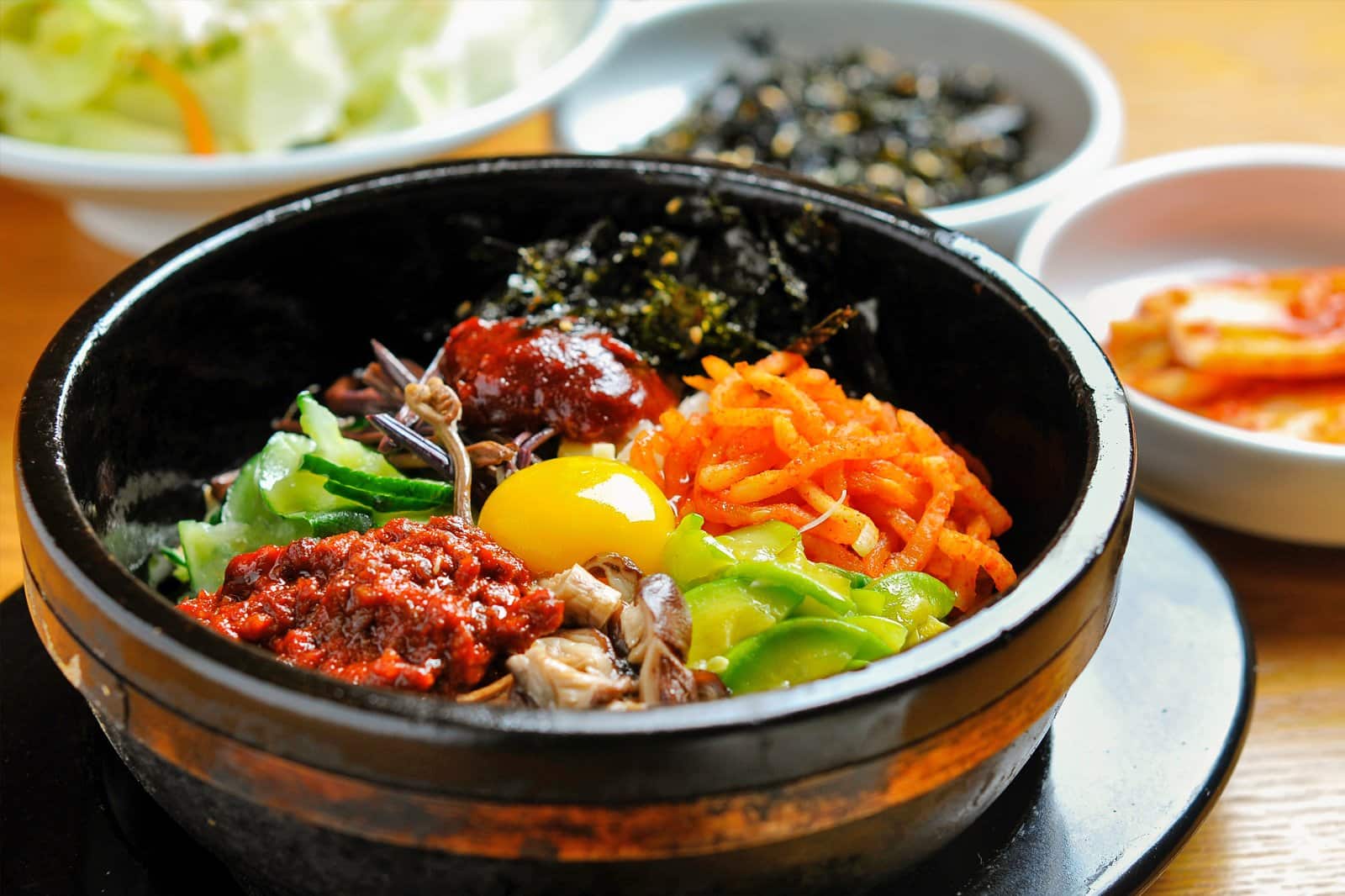
A full and healthy dish that is often offered in restaurants, food courts, and street markets is called bibimbap, which is another item you really must eat while in Seoul. Bibimbap can be served as either a meat-based dish or as a vegetarian dish, depending on the region and ingredients utilized.

Warm rice, beef or chicken, raw egg, mixed veggies, soy sauce, and a dab of chili pepper paste are the main ingredients of the most popular type of bibimbap. Hoedeopbap, a variant of classic Korean mixed rice meal that is perfect for seafood enthusiasts, swaps the meat for raw seafood like salmon, tuna, or octopus.

3

Red rice cakes (tteokbokki)


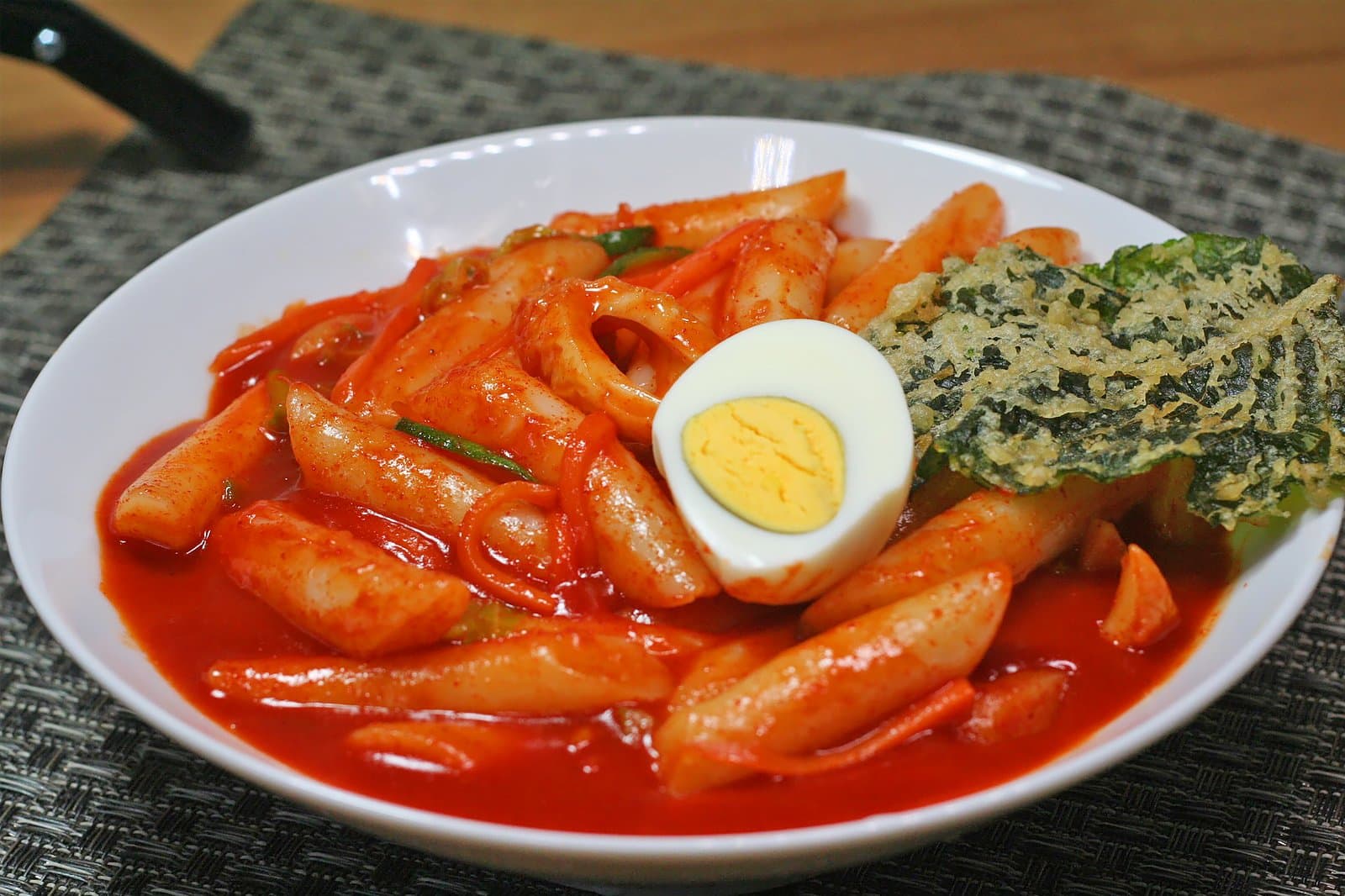
Thick slices of garaetteok (boiled rice cake), fish cake, onions, sliced garlic, salt, sugar, and various veggies are stir-fried in sweet red chili sauce to make tteokbokki, a classic Korean street meal. This well-liked delicacy is typically offered by independent snack bars and street vendors and is distinguished by its vivid red-orange ensemble.
4

Bulgogi


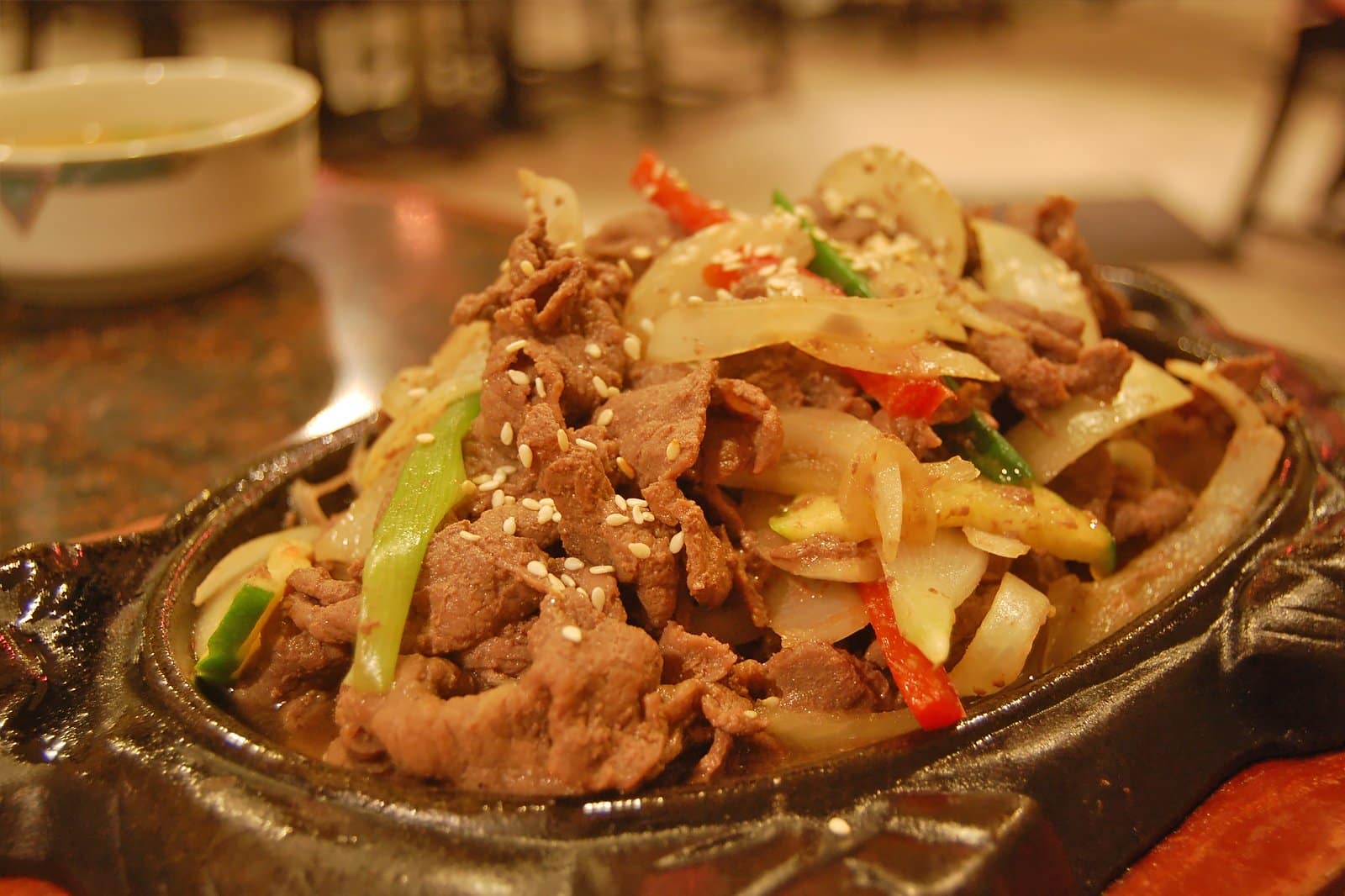
Thin slices of marinated beef sirloin are cooked with chopped onions, green peppers, and garlic over charcoal to produce the distinctively smokey flavor of bulgogi. To improve the flavor and tenderness of the meat, it is marinated for 2 to 4 hours before grilling in a mixture of soy sauce, sesame oil, black pepper, garlic, onions, ginger, and sugar.

Along with ssamjang (a spicy paste) and kimchi, this meal is frequently served with a side of leafy leaves like lettuce and spinach, which are used to wrap a slice of grilled beef.


5

Korean stew (jjigae)


Jjigae comes in a wide variety of forms in Seoul, but often this Korean stew is made with meat, seafood, or vegetables in a broth that has been spiced with gochujang, gaenjang, soybean paste, or salted fermented shrimp (saeujeot). Jjigae has a consistency akin to a western stew and is frequently served as a palette cleanser in between heavier courses.

Budae jjigae (army stew), which includes bacon, sausages, and Spam meat as well as ramyeon noodles and rice cakes blended with gochujang paste for a spicy flavor, is one of the most well-known jjigae dishes in Seoul.


6

Jajangmyeon


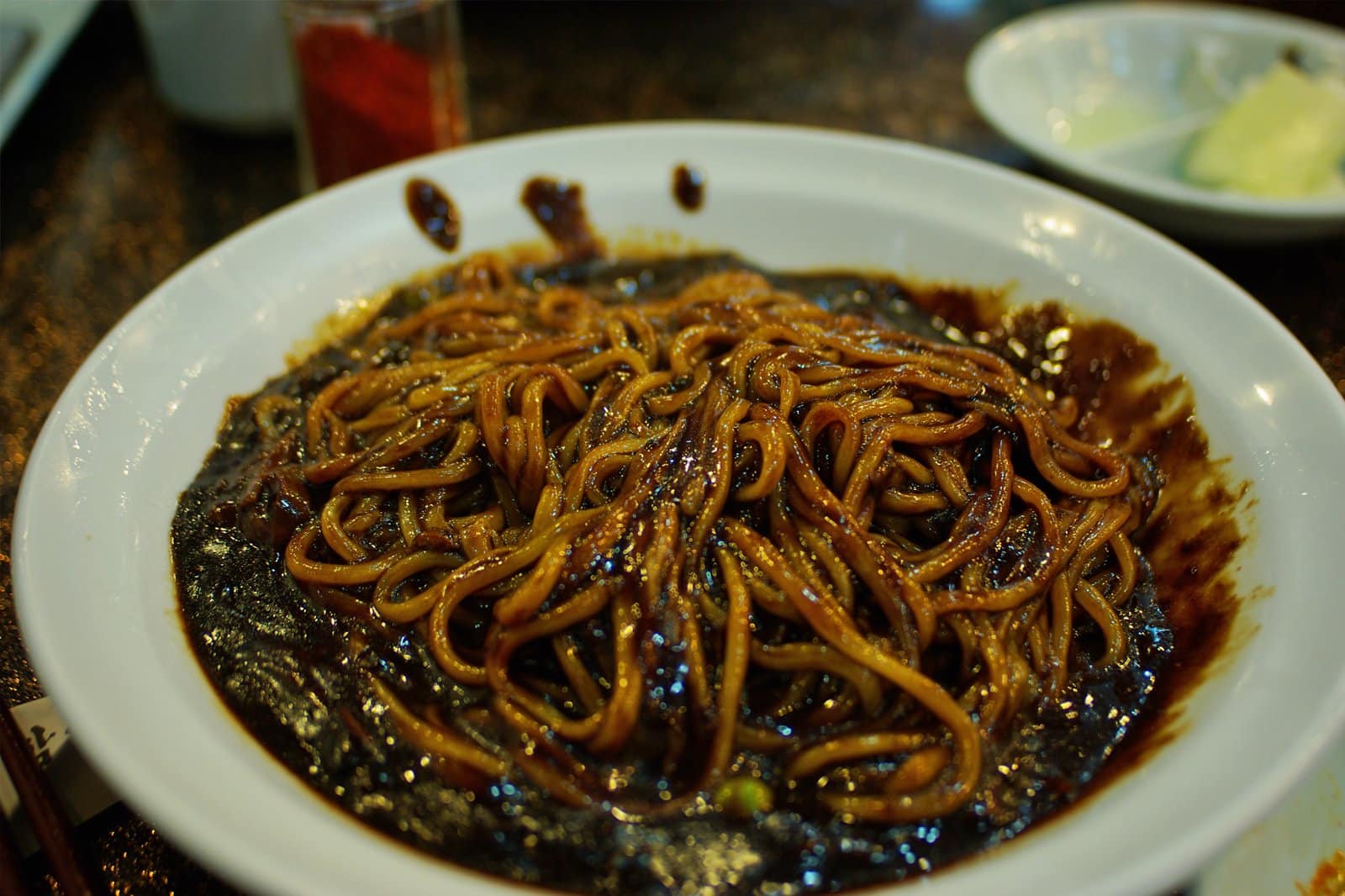
Jajangmyeon is a fusion dish of Korean and Chinese cuisine that uses thick handmade wheat noodles and is topped with raw cucumber slices, salty black soybean paste, chopped pork, and veggies. This hearty noodle dish, which starts at 5,000 won, is excellent for when you need a quick dinner that won't break the bank.

Additionally, singles typically consume it on Black Day, which is observed annually on April 14. On Valentine's Day, those who do not receive gifts dress in all black and congregate to eat foods with a black color, including jajangmyeon.


7

Samgyeopsal


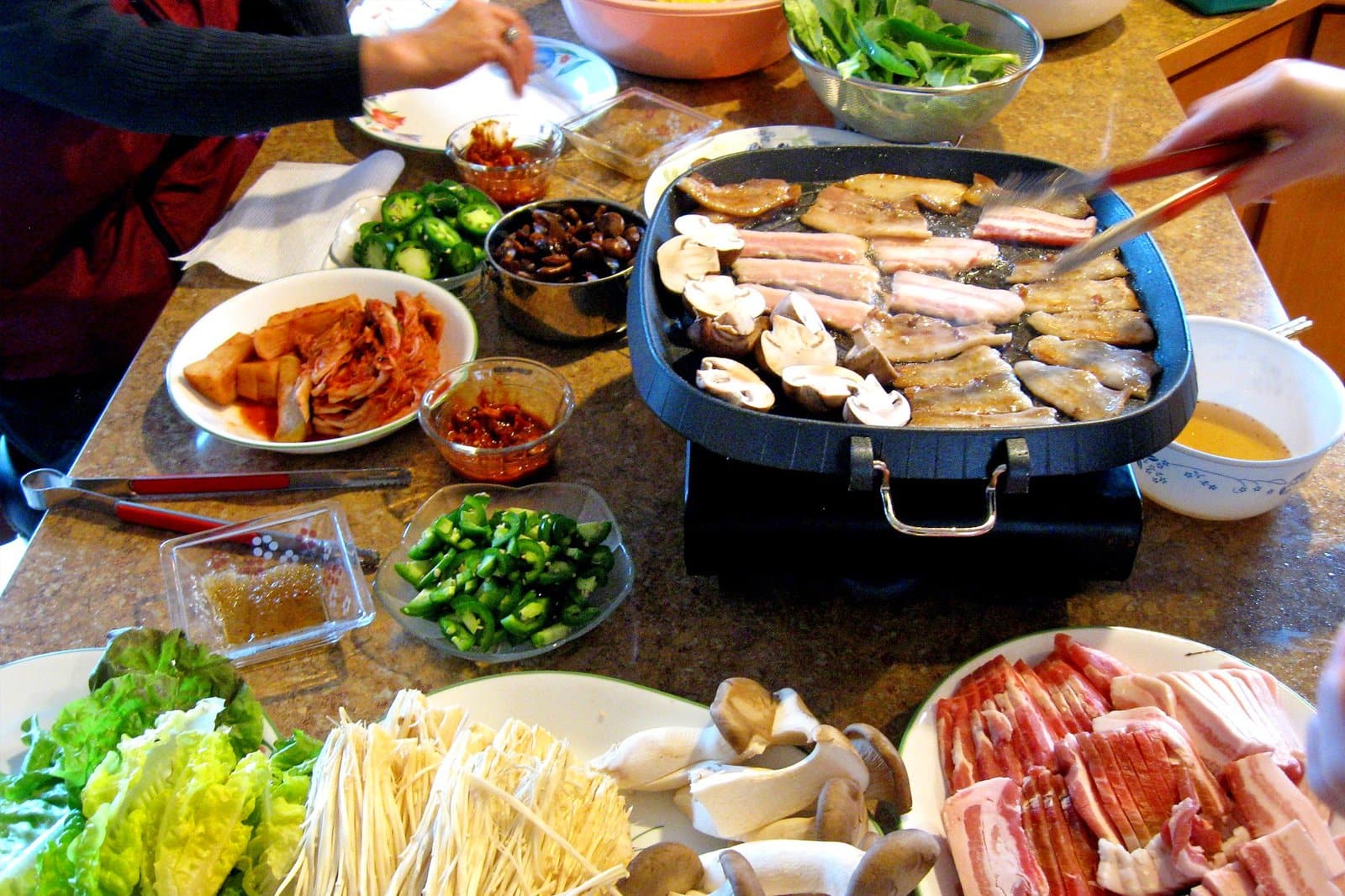
Another typical Korean meal, samgyeopsal, cooks chunky slices of pig belly on a grill right at the table and requires just rudimentary cooking abilities. Following that, it is wrapped in lettuce or sesame leaf and served with dipping sauces and toppings including kimchi, button mushrooms, green onions, raw garlic, and green chili peppers.

Samgyeopsal, a meal beloved by Seoul's young professionals, is frequently enjoyed with one or two shots of soju alcoholic beverage.

Address: 18, Baekbeom-ro, Mapo-gu, Seoul

Open: Daily 11:00 – 23:00

Telephone: +822 719 4848

8

Korean fried chicken


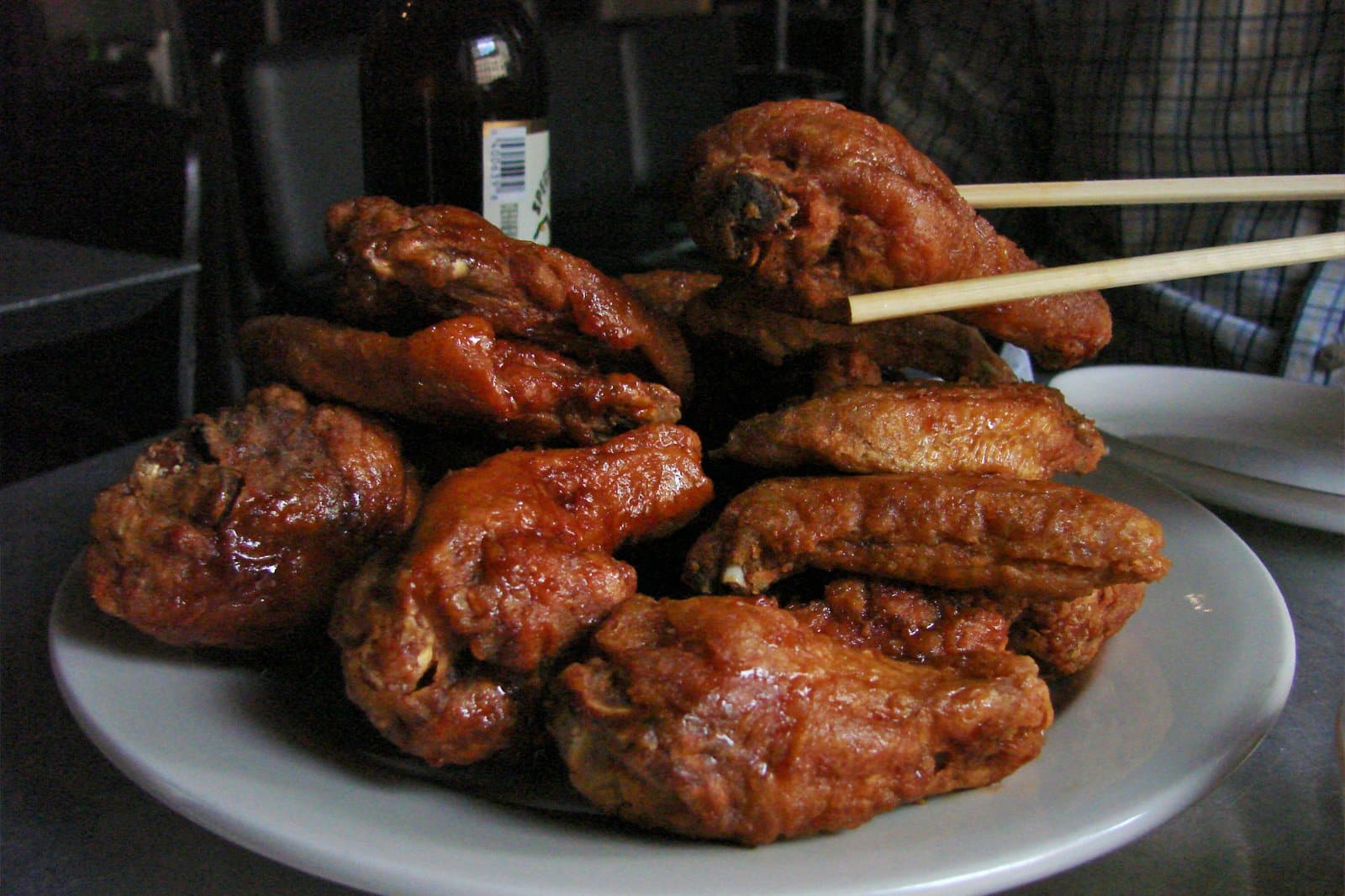
Korean fried chicken reinvents the classic American fast food in its own special way. Unlike its American equivalents, the chicken is double-fried in vegetable oil before being covered in a sweet-spicy sauce (some places include green pepper within the batter for a stronger kick).

As a result, the inside of the meat is extremely moist, and the lightly battered skin is crispy and low in fat. It is a well-liked late-night treat that is frequently paired with beer.


9

Spicy cold noodle (bibim nengmyun)


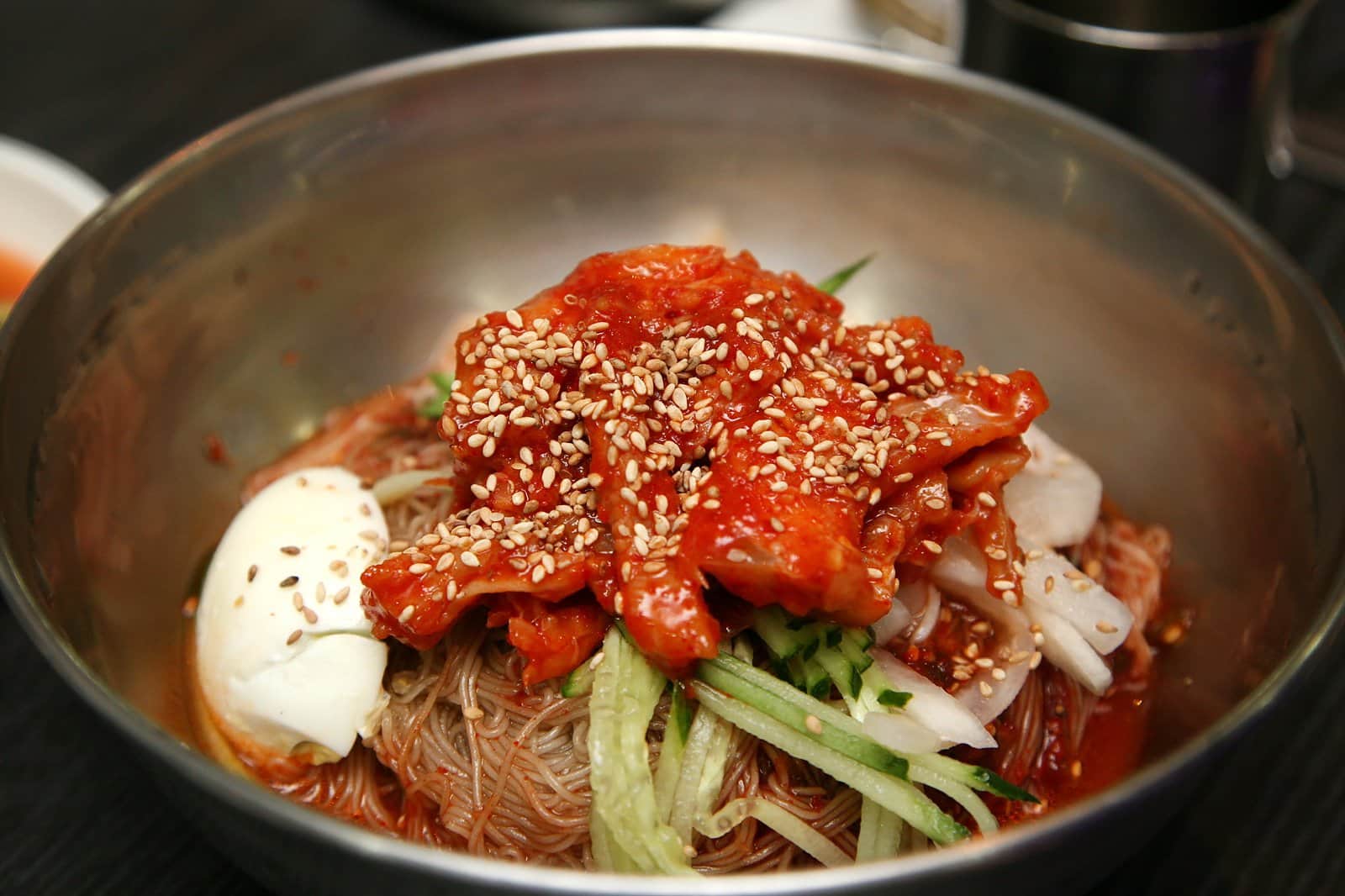
In a stainless steel bowl, Bibim Nengmyun is served with cold broth, julienned cucumbers, Korean pear slices, boiled eggs, and cold-boiled beef slices. Although seaweed and green tea are also used in other varieties, the long, thin noodles are created from flour and buckwheat or sweet potatoes.

The noodles are typically offered uncut since they stand for longevity and good health, although customers can ask waiters to cut the noodles anyway they choose.


10

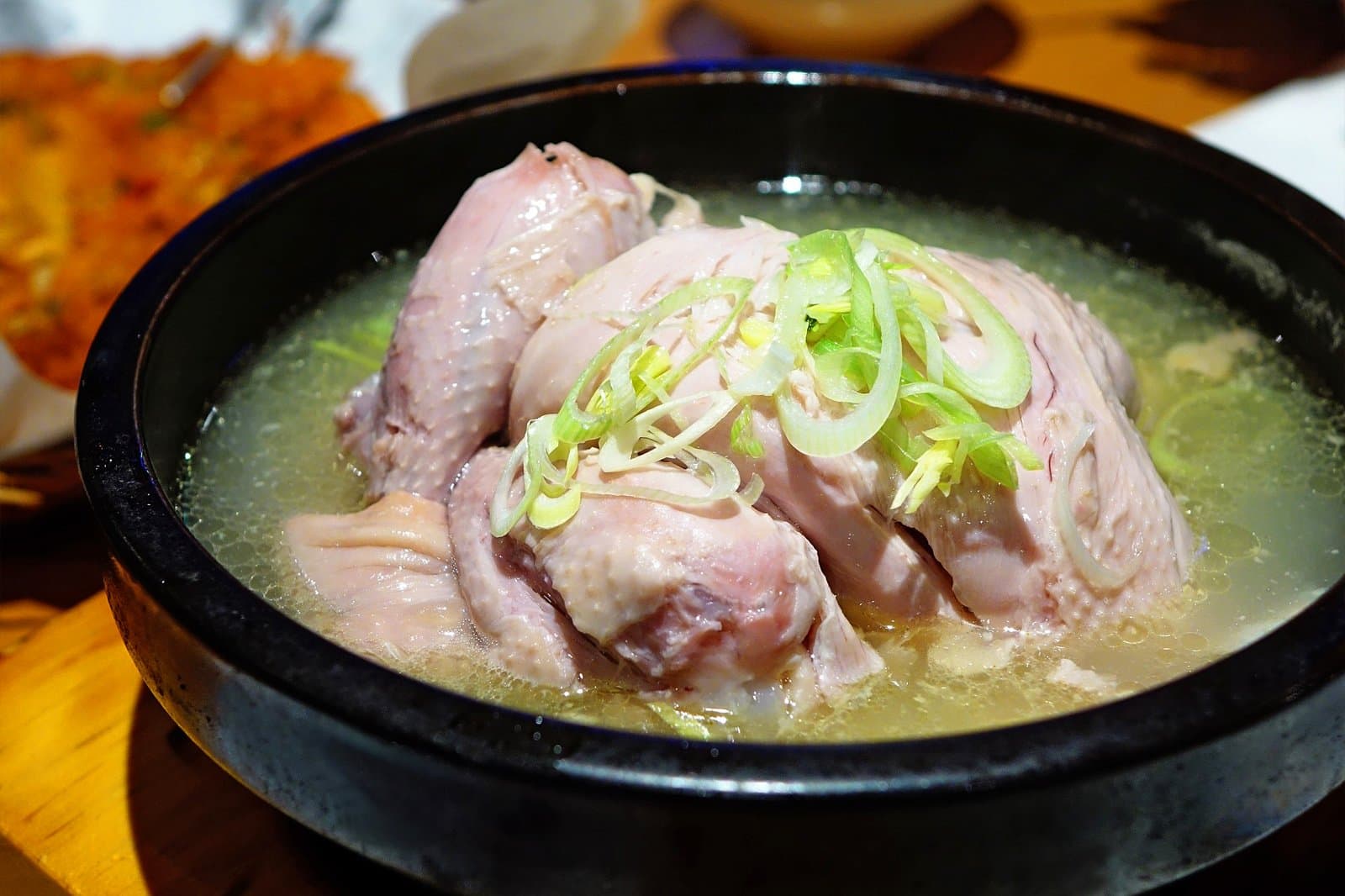
Ginseng chicken soup (samgyetang)


Samgyetang (chicken ginseng soup) is frequently consumed by the locals between the months of June and early September because they believe that the body needs to renew its energy throughout the summer.

A little spring chicken filled with chestnuts, garlic, dried jujubes, ginseng, sticky rice, and gingko nuts forms the base of this healthy soup. The mixture is then slowly simmered until the beef is quite soft and the rich liquid has a faintly bitter yet pleasing flavor.

Contact Form

Name Email * Message *

Menu Halaman Statis

Popular Posts

8 Facts About Rebecca Ferguson | Model Kebaya Terbaru | Les Meilleures Pages à Colorier