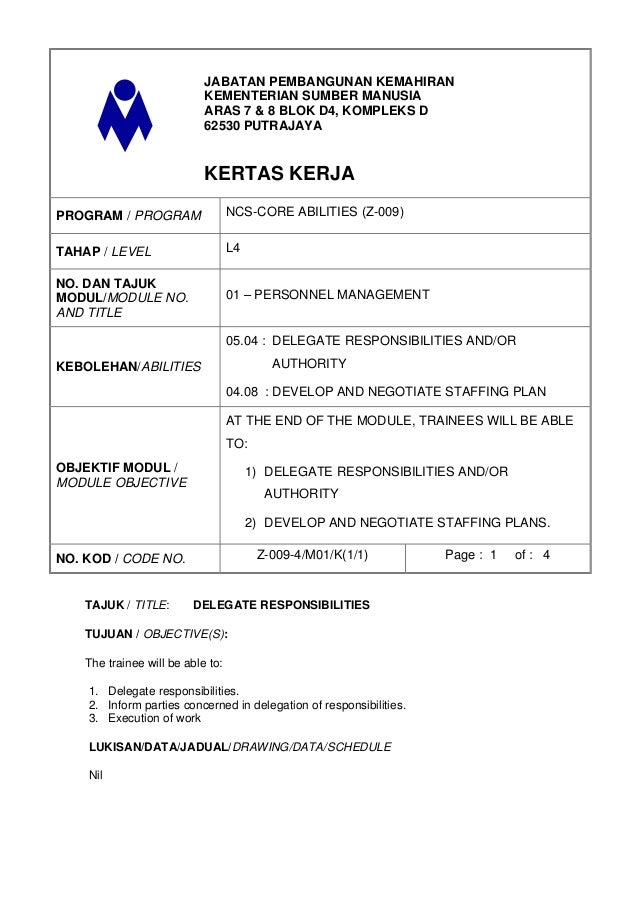
If you're preparing to take the Core Abilities Tahap 4 exam, you may be feeling overwhelmed by the amount of information you need to know. However, with the right preparation and study materials, you can feel confident and ready to succeed on exam day. One important tool to help you prepare for the exam is the Jawapan Core Abilities Tahap 4 – Buku Teks. This guide offers a comprehensive overview of the material you need to know in order to pass the exam.
The Core Abilities Tahap 4 exam is a test of your knowledge in a variety of areas, including language arts, mathematics, social studies, and science. The exam is designed to assess your readiness for college-level coursework. In order to pass the exam, you'll need to demonstrate your mastery of a range of concepts and skills.
Why is the Jawapan Core Abilities Tahap 4 – Buku Teks important?
The Jawapan Core Abilities Tahap 4 – Buku Teks is an invaluable study tool for anyone preparing to take the Core Abilities Tahap 4 exam. This guide offers a comprehensive overview of the material you need to know for the exam, organized by subject area. Whether you're looking for a refresher on key concepts or you need help understanding a particularly challenging topic, the Jawapan Core Abilities Tahap 4 – Buku Teks has you covered.
What topics are covered in the Jawapan Core Abilities Tahap 4 – Buku Teks?
The Jawapan Core Abilities Tahap 4 – Buku Teks covers a wide range of topics across four subject areas:
Language Arts
Reading
Writing
Communication
Mathematics
Number sense
Algebraic concepts
Geometry
Data analysis and probability
Social Studies
History
Geography
Economics
Civics and government
Science
Life science
Earth and space science
Physical science
Each subject area is broken down into specific concepts and skills that you need to know in order to pass the exam. By studying the Jawapan Core Abilities Tahap 4 – Buku Teks, you'll be able to identify your areas of strength and weakness, and focus your study time on the topics that are most important.
How can you use the Jawapan Core Abilities Tahap 4 – Buku Teks to prepare for the exam?
There are a few key strategies you can use to get the most out of the Jawapan Core Abilities Tahap 4 – Buku Teks as you prepare for the exam:
Read through the entire guide to get a sense of the material that will be covered on the exam.
Focus on the subject areas that are most challenging for you, and spend extra time studying those topics.
Use the practice questions and exercises in the guide to test your knowledge and identify areas that need improvement.
Form a study group with other students who are preparing for the exam, and work through the material together.
By using these strategies and working diligently with the Jawapan Core Abilities Tahap 4 – Buku Teks, you'll be well-prepared to pass the Core Abilities Tahap 4 exam and move on to your college coursework with confidence.
Sejarah is a subject that is often misunderstood and undervalued, yet it is the cornerstone of our understanding of the world. For students in Malaysia, it is a mandatory subject that is taught from primary to secondary school, including the secondary level, where students are exposed to higher levels of complexity and depth of the subject matter. One of the key textbooks that students use to learn Sejarah at the Tingkatan 3 level is the Buku Alaf Sanjung Sejarah. It is one of the best Sejarah textbooks available, and it is a crucial tool in helping students understand the history of Malaysia better.
Introduction to Buku Alaf Sanjung Sejarah Tingkatan 3
The Buku Alaf Sanjung Sejarah Tingkatan 3 is a comprehensive textbook that covers the history of Malaysia in detail. It is part of a series of textbooks developed by the Ministry of Education, Malaysia, to improve the quality of education and increase students' understanding of the subject matter. The Buku Alaf Sanjung Sejarah Tingkatan 3 is authored by a team of experienced teachers and historians, ensuring that the content is accurate and informative.
Understanding the Structure of the Book
The Buku Alaf Sanjung Sejarah Tingkatan 3 is structured into several chapters, each focusing on a different era in Malaysian history. The book starts with the Malacca Sultanate and ends with the formation of Malaysia. The content is presented in a comprehensive and detailed manner, with each chapter building on the previous one. The structure of each chapter is logical, beginning with an introduction that sets the context for the era under discussion, followed by a detailed analysis of the significant events and personalities of the period.
Chapter Overviews
Chapter 1: The Malacca Sultanate This chapter covers the period from the 14th to the 15th century when Malaysia was under the rule of the Malacca Sultanate. The chapter discusses the rise and fall of the Malacca Sultanate and its importance in shaping the cultural and political landscape of Malaysia.
Chapter 2: The Era of Melaka Johor This chapter discusses the period from the 16th to the 17th century when Malaysia was under the rule of the Johor Sultanate. The chapter examines the significant events and personalities of the period and looks at the impact of Portuguese and Dutch colonization on Malaysia.
Chapter 3: The Era of Kedah This chapter analyzes the role of the Kedah Sultanate in Malaysia's history, including its relations with other regional kingdoms and the impact of European colonization on its political and social structures.
Chapter 4: The Era of British Colonization This chapter discusses the British colonization of Malaysia, including its political, social, and economic impact. It examines significant events such as the Malayan Emergency, and the formation of political parties leading up to Malaysia's independence.
The Significance of Buku Alaf Sanjung Sejarah Tingkatan 3 for Malaysian Students
The Buku Alaf Sanjung Sejarah Tingkatan 3 is an essential tool for Malaysian students studying Sejarah at the Tingkatan 3 level. The book provides an in-depth and detailed analysis of Malaysia's history, allowing students to understand and appreciate their country's heritage. The book's structure is easy to follow, with clear explanations of each era's significance and timelines. The book's language is simple and easy to understand, enabling students to grasp the complex concepts of history effectively.
Furthermore, the Buku Alaf Sanjung Sejarah Tingkatan 3 provides students with a broad understanding of Malaysia's history, including social, economic, and political factors. It helps students develop the critical thinking skills necessary to understand historical contexts and their relevance to contemporary society. The textbook's comprehensive nature also helps students prepare for their exams, ensuring they receive a quality education that sets them up for success in their future careers.
Conclusion
The Buku Alaf Sanjung Sejarah Tingkatan 3 is undoubtedly one of the best Sejarah textbooks available in Malaysia. Its comprehensive and detailed analysis of Malaysian history, alongside its easy-to-understand language and clear structure, make it an invaluable tool for Malaysian students. The book helps students understand and appreciate their heritage better, develop critical thinking skills, and prepare for their exams effectively. The Buku Alaf Sanjung Sejarah Tingkatan 3 is an essential investment in our future, enabling students to become well-informed citizens who can contribute positively to our society.
As the saying goes, all good things must come to an end. This holds true even for those serving in leadership roles such as a condominium or apartment building's "síndico". While the decision to resign from such a position can be a tough one, it is important to do so in a professional and respectful manner. This is where a well-written resignation letter, or "carta de renuncia de síndico" comes into play. We'll take a closer look at why a resignation letter is necessary, what it should include, and how to write one in a professional manner.
Firstly, the importance of a resignation letter cannot be overstated. It serves as physical proof of your resignation, which can be important in legal matters or if potential employers want verification of your past service. Moreover, it is a professional and respectful way to communicate your departure to the community that you had served.
What should a carta de renuncia de síndico include?
When writing your resignation letter, it is essential to remain professional and unemotional. Keep in mind that this letter serves as an official document rather than a personal journal entry. Here are some key elements that your carta de renuncia de síndico should include:
Date and addressee
Begin by including the date and the addressee, which would normally be the building's board of directors. This information should be located at the top of the letter.
Statement of resignation
The next step is to make it clear that you are resigning from your position as "síndico". This should be done in a concise and straightforward manner.
Reason for resignation
While it isn't always necessary to include a reason for your resignation, it can be helpful to do so. This information can help the board address any concerns or issues that you may have faced during your tenure as "síndico". However, be mindful not to disclose information that can be deemed inappropriate or offensive.
Timeline and transition plan
Your carta de renuncia de síndico should also include a timeline for your departure, including the last date that you will be fulfilling your duties. Additionally, if you have any suggestions or plans for transitioning your responsibilities to someone else, be sure to include them. This can help ensure a seamless handover of responsibility and continuity of leadership within the community.
Words of gratitude
Lastly, it's always a good idea to include a short statement of gratitude towards the board and the community that you had served. Emphasise the positive experiences and the learning opportunities that you may have had while serving as the community's leader. This can help in maintaining a good relationship with the community even as you move on to a new chapter in your life.
How to write a professional carta de renuncia de síndico
Now that we've covered the essential elements of a carta de renuncia de síndico, it's time to focus on how to write a professional and effective letter. Here are some tips to keep in mind:
Keep it professional
Remember that your letter is an official document. Avoid using overly emotional or hostile language, and stick to the facts of the situation. Be courteous and respectful at all times to ensure that you leave a good impression with current and potential stakeholders.
Be concise and clear
Avoid rambling or using complex terms or phrases. Keep your letter simple and easily understandable. Communication is key in any business situation, and presenting a clear and concise letter will ensure that your message is conveyed appropriately.
Proofread and edit your carta de renuncia de síndico
This is a formal letter, and it's important to approach it as such. Check for spelling and grammar errors before hitting the send button. Any errors or mistakes may detract from the overall message that you are trying to convey, so take the time to double-check your work.
In conclusion, writing a carta de renuncia de síndico is a professional and respectful way to communicate your resignation. Keep it simple, concise, and professional, and you'll ensure a positive relationship with the community that you are leaving behind.
Modul A+ fizik tingkatan 4 jawapan pdf is an incredibly useful tool for students who are looking to excel in their physics subject. In order to truly understand and excel in physics it is important to go beyond the basic formulas and concepts and fully comprehend the underlying principles. This is where Modul A+ Fizik Tingkatan 4 Jawapan Pdf comes in handy. This PDF contains a comprehensive set of answers to the questions provided in the module, making it a valuable resource for students.
Image: Modul A+ Fizik Tingkatan 4 Jawapan Pdf
Why Modul A+ Fizik Tingkatan 4 Jawapan Pdf?
Physics is a subject that requires a lot of attention and practice. It can be daunting and very confusing at times. It is essential that students have the right resources at their disposal in order to fully understand the dynamics and concepts of physics. Modul A+ Fizik Tingkatan 4 Jawapan Pdf is one such resource. The module provides an expansive and in-depth view of concepts and principles in physics which is essential for students to gain a solid foundation in the subject.
The PDF's comprehensive set of answers to the questions is an added bonus. It provides students with a complete and useful reference guide in their studies. The answers are well-written and easy to understand. The guide helps students in grasping difficult concepts and provides practical insights on how to tackle similar problems in the future.
How to Use Modul A+ Fizik Tingkatan 4 Jawapan Pdf?
The PDF offers students a variety of helpful tools and tricks that are essential for acing their physics exams. The guide can be utilized in many ways:
1. Comprehensive Reference Guide
Students can use the guide as a comprehensive reference source. It is very helpful in gearing up for exams. The guide contains solutions to a variety of different questions and their underlying concepts, which proves to be extremely helpful for students in understanding the various principles in detail.
2. Practice Sessions
The PDF is also very useful in practicing questions. There are plenty of questions and answers available in the guide which students can use to practice and gauge their understanding. Once students have a grip on the concepts, they will be able to solve similar problems with ease.
3. Clearing Up Concepts
The guide is perfect for clearing up concepts that are difficult to understand. Physics can sometimes be a difficult subject to grasp and students can find themselves struggling with certain concepts. The PDF can be used as a reference source to clear up any confusion or queries and make difficult concepts more comprehensible.
Final Thoughts:
Modul A+ Fizik Tingkatan 4 Jawapan Pdf is an essential resource for students who are looking to excel in physics. It's a comprehensive guide that provides students with answers to the questions in the module and helps them in gaining a better understanding of the various concepts and principles in physics. Whether it be as a reference source or a practice tool, Modul A+ Fizik Tingkatan 4 Jawapan Pdf proves to be very helpful in the success of students in their physics studies.
Ahmedabad International Airport is a modern and well-equipped airport that has been awarded a highly coveted distinction: The Skytrax 3-star rating. This makes it one of the most esteemed airports in the region. As a result, there are many hotels and accommodations in the area that cater to travelers who want to stay near the airport.
One option for travelers looking for a luxurious stay near Ahmedabad International Airport is the 4-star hotel, The Ummed Ahmedabad. This hotel is located just a short drive from the airport, making it an ideal choice for those who want to be close to the action.
Luxurious Accommodations
The Ummed Ahmedabad is a stunning hotel that boasts some of the most luxurious accommodations in the region. The rooms are spacious and elegantly decorated, with all of the amenities you would expect from a 4-star hotel. These include comfortable beds, private bathrooms, high-speed internet, and flat-screen TVs.
The hotel also offers a range of additional services and amenities. Guests can enjoy an on-site gym, spa, and swimming pool. There are also several dining options, including a fine-dining restaurant, coffee shop, and bar.
Convenient Location
The location of The Ummed Ahmedabad is perfect for travelers who want to be close to the airport as well as the city center. The hotel is located just a few minutes away from Ahmedabad International Airport, making it easy to get to and from the airport. It is also located near many of the city's attractions, including the Sabarmati Ashram, one of India's most historic sites.
Guests at The Ummed Ahmedabad can also take advantage of the hotel's shuttle service, which provides transportation to and from the airport, as well as around the city. This makes it easy for travelers to explore Ahmedabad without having to worry about transportation.
Unmatched Hospitality
One of the things that sets The Ummed Ahmedabad apart is the unmatched hospitality that guests receive. The staff is friendly and helpful, always willing to go the extra mile to ensure that guests have a pleasant stay. From arranging transportation to recommending the best places to visit in the city, the staff is dedicated to making sure that guests feel at home.
In Conclusion
The Ummed Ahmedabad is a 4-star hotel near Ahmedabad International Airport that offers luxurious accommodations, a convenient location, and unmatched hospitality. Whether you are traveling for business or for pleasure, The Ummed Ahmedabad is the perfect choice for those who want to enjoy all that Ahmedabad has to offer.
As a plus-size individual, finding the perfect outfit for a wedding or any type of special occasion can be a daunting task. However, it doesn't have to be. With the rise of fashion inclusivity and diversity, there are now numerous gamis kondangan options available for those with larger body types.
Image Source: Googleusercontent.com
The Perfect Gamis Kondangan
Gamis kondangan, or commonly known as traditional kebaya, is typically a long and flowing garment made from lightweight materials such as silk or chiffon, often paired with a headscarf. They're perfect for weddings, formal events, and special occasions. For plus-size individuals, it's essential to find gamis kondangan that accentuates your curves while still being comfortable and breathable.
Choosing the Right Fit
When selecting a gamis kondangan, it's crucial to choose the right fit. It's recommended to opt for a slightly loose option, as tight clothing may cause discomfort. Additionally, a gamis kondangan with a cinched waist or ruffled bottom will enhance the hourglass figure of a plus-size individual.
Color Choice
Colors play a crucial role in selecting the right gamis kondangan. For plus-size individuals, darker shades such as navy blue, maroon, or black are ideal. These colors offer a slimming effect and will help to create the illusion of a slimmer silhouette. However, if you prefer a brighter color, opt for a gamis kondangan with intricate embroidery or bold prints to divert attention from problematic areas.
Mix and Match Accessories
Accessories can significantly enhance any gamis kondangan ensemble. A statement necklace or dangling earrings can add a touch of elegance to any outfit. Additionally, a clutch or small handbag can be a perfect accessory, not only to store essentials but also to complement the outfit's color scheme.
Final Thoughts
It's essential to remember that beauty comes in all shapes and sizes, and there's no perfect body type. With the help of these tips, you can make a confident and bold fashion statement where you feel comfortable. Remember to select a gamis kondangan that highlights your best features while being comfortable, well-fitted, and of high quality. By doing so, you'll be sure to stand out in any event you attend.
Have you ever had to write a carta de excusa escolar for your child? It can be a challenging task, especially if you are not familiar with the terminology and format of such letters. In this article, we will provide you with an ejemplo de carta de excusa escolar, so that you can write your own with confidence and ease.
A carta de excusa escolar is a formal letter that parents or guardians write to excuse their child from school due to illness, family emergency, or other valid reasons. It is important to note that a carta de excusa escolar should not be used to excuse a child from school without a valid reason, as it can have negative repercussions on the child's education and future.
Format of a carta de excusa escolar
A carta de excusa escolar should be written in a professional format, and should include the following:
Date
Address and name of the school
Full name of the child
Date(s) of absence
Reason for the absence
Parent/guardian's full name and signature
Sample carta de excusa escolar:
Date: 12th September 2021
Address: Name of the School 1234 ABC Street City State Postal Code
Dear Sir/Madam,
I am writing to excuse my child, John Doe, from school on the dates of 20th August 2021 to 22nd August 2021. John was unable to attend school due to a severe case of the flu, which required him to stay at home to rest and recover.
We have consulted with our family doctor, who has advised us to keep John at home until he fully recovers, to prevent spreading the flu to other students.
Thank you for your understanding and cooperation in this matter.
Sincerely,
Jane Doe (John's mother) Signature
Conclusion
Writing a carta de excusa escolar may seem daunting at first, but it is important to provide a valid and formal excuse for your child's absence from school. By following the above sample and guidelines, you can ensure that your carta de excusa escolar is professional and effective.
Remember, a carta de excusa escolar should only be used in valid situations, and not to excuse your child from school unnecessarily. Good luck!
Protecting your investment is of utmost importance when it comes to homeownership. One of the essential steps in safeguarding your home and belongings is choosing the right homeowners insurance. However, with numerous options available in the market, it can be overwhelming to determine the best coverage for your specific needs.
In this comprehensive guide, we will delve into the intricacies of selecting the perfect homeowners insurance policy. We'll provide you with valuable tips and insights to assist you in making an informed decision. Let's explore the key factors you should consider when choosing the right homeowners insurance for your property.
Evaluating Your Coverage Needs
Before diving into the process of choosing homeowners insurance, it's crucial to assess your specific coverage requirements. Consider the following factors:
1. Property Value
The value of your property is a significant determinant of the insurance coverage you require. Evaluate the estimated value of your home, including the land and structures, to determine the appropriate coverage limits. Keep in mind that underinsuring your property may leave you vulnerable to financial loss in case of damage or theft, while overinsuring it may result in unnecessary premium expenses.
2. Personal Belongings
Take stock of your personal belongings and estimate their total value. This includes furniture, appliances, electronics, clothing, jewelry, and other valuable items. It's important to ensure that your homeowners insurance policy provides adequate coverage for these possessions.
3. Liability Protection
Liability coverage protects you in the event that someone is injured on your property and decides to sue you for damages. Evaluate the level of liability protection you need, considering factors such as the size of your property, the presence of potential hazards, and the likelihood of visitors.
Understanding Insurance Coverage Types
Homeowners insurance typically consists of various coverage types that protect different aspects of your property and belongings. It's essential to familiarize yourself with these coverage options to make an informed decision. Here are some common types:
1. Dwelling Coverage
Dwelling coverage is the primary component of homeowners insurance. It protects the structure of your home, including the walls, roof, floors, and other attached structures such as garages. This coverage ensures that you can repair or rebuild your home if it suffers damage from covered perils such as fire, storms, or vandalism.
2. Personal Property Coverage
Personal property coverage extends protection to your belongings, including furniture, appliances, electronics, and other personal items. It typically covers losses caused by covered perils both inside and outside your home, such as theft, fire, or natural disasters. It's important to review the policy to understand the limits and exclusions regarding valuable items like jewelry or collectibles.
3. Liability Coverage
Liability coverage safeguards you financially in case someone files a lawsuit against you for injuries sustained on your property or due to your actions. It covers legal expenses, medical bills, and any awarded damages. Liability coverage is crucial, as it shields you from substantial financial losses resulting from accidents or incidents that occur on your property.
4. Additional Living Expenses Coverage
Additional living expenses coverage, also known as loss of use coverage, provides financial assistance when your home becomes temporarily uninhabitable due to a covered peril. It helps cover costs associated with alternative accommodations, meals, and other related expenses while your home is being repaired or rebuilt.
5. Other Structures Coverage
This type of coverage extends protection to structures on your property that are not directly attached to your home, such as fences, sheds, or detached garages. It ensures that you can repair or rebuild these structures if they suffer damage from covered perils.
Researching Insurance Providers
Once you have a clear understanding of your coverage needs and the different types of coverage available, it's time to research insurance providers. Here are a few essential factors to consider when evaluating insurance companies:
1. Financial Stability
It's crucial to choose an insurance provider with a strong financial standing. This ensures that they have the financial resources to honor claims and fulfill their obligations in the long run. You can research the financial ratings of insurance companies through independent rating agencies to assess their stability and reliability.
2. Customer Reviews and Satisfaction
Reading customer reviews and testimonials can provide valuable insights into an insurance company's customer service, claims process, and overall satisfaction levels. Look for reputable review websites or consult friends and family who have had experience with different insurance providers.
3. Policy Exclusions and Limitations
Thoroughly review the policy exclusions and limitations of insurance providers you are considering. Understanding these aspects will help you determine if their coverage aligns with your specific needs and if any significant exclusions may leave you underinsured in certain scenarios.
4. Premium Costs and Deductibles
Compare premium costs and deductibles across different insurance companies. While it may be tempting to choose the cheapest option, it's important to strike a balance between affordability and comprehensive coverage. Consider how much you can comfortably afford in terms of premiums and the deductibles you would be responsible for paying in the event of a claim.
Seeking Professional Advice
Choosing the right homeowners insurance can be a complex process. If you feel overwhelmed or uncertain about the options available to you, it's wise to seek advice from insurance professionals. Insurance agents or brokers can assess your specific needs and guide you in selecting a policy that provides adequate coverage.
Moreover, consulting a professional can help you understand the fine print of insurance policies, including the terms, conditions, and exclusions. They can also assist in comparing quotes from different insurance providers to find the best combination of coverage and affordability.
Conclusion
Selecting the right homeowners insurance policy is a crucial step in protecting your investment and ensuring peace of mind. By evaluating your coverage needs, understanding the different types of coverage available, researching insurance providers, and seeking professional advice when necessary, you can make an informed decision that suits your specific requirements.
Remember, homeowners insurance is not a one-size-fits-all solution. Take the time to carefully assess your needs and compare options to find the policy that provides comprehensive coverage, financial stability, and reliable customer service. With the right homeowners insurance, you can safeguard your investment and enjoy the comfort of a protected home.
Managing property maintenance is a critical aspect of owning or renting a property. Whether you are a homeowner, landlord, or property manager, keeping your property in top condition is essential for several reasons. Proper maintenance not only enhances the value and aesthetics of your property but also ensures the safety and comfort of its occupants. In this comprehensive guide, we will explore various tips and strategies to help you effectively manage property maintenance and ensure that your property remains in excellent condition.
1. Create a Maintenance Schedule
One of the first steps in managing property maintenance is to establish a comprehensive maintenance schedule. A maintenance schedule outlines the tasks that need to be performed regularly to keep your property in optimal condition. It includes both preventive and reactive maintenance activities.
Preventive maintenance involves performing routine inspections, cleaning, and servicing to prevent issues from arising. This can include tasks such as checking electrical systems, HVAC maintenance, inspecting plumbing fixtures, and regular cleaning of common areas.
Reactive maintenance, on the other hand, addresses issues that require immediate attention, such as a leaking roof or a broken appliance. By having a maintenance schedule in place, you can stay organized and ensure that all necessary tasks are carried out in a timely manner.
2. Prioritize Safety
Safety should always be a top priority when it comes to property maintenance. Regularly inspect your property for potential hazards and address them promptly. This can include checking for faulty wiring, ensuring the proper functioning of smoke detectors and fire extinguishers, and maintaining clear and well-lit pathways and staircases.
Additionally, consider implementing security measures to protect your property and its occupants. This can involve installing security cameras, reinforcing doors and windows, and ensuring proper lighting in and around the property.
3. Engage Professional Service Providers
While some maintenance tasks can be handled by property owners or managers, it is crucial to recognize when professional assistance is required. Engaging reliable and qualified service providers can save you time, effort, and potentially costly mistakes.
For complex tasks like electrical repairs, plumbing issues, or structural problems, it is advisable to hire licensed professionals who specialize in these areas. They have the expertise and experience to handle the job efficiently and ensure that it is done correctly.
Similarly, consider hiring professional cleaners or maintenance staff to ensure that your property is regularly cleaned and well-maintained. This can include tasks such as deep cleaning carpets, polishing floors, and maintaining outdoor areas.
4. Regularly Inspect the Property
Frequent property inspections are crucial for identifying maintenance needs and addressing them promptly. Schedule regular inspections to assess the overall condition of your property, both internally and externally.
During inspections, pay attention to areas that are prone to wear and tear or require special attention, such as roofs, gutters, HVAC systems, and plumbing. Look for signs of damage, leaks, or malfunctioning equipment. Detecting issues early on allows for timely repairs, preventing them from escalating into more significant problems that can be costly to fix.
5. Maintain Landscaping and Outdoor Areas
The external appearance of your property plays a significant role in its overall appeal and value. Properly maintaining the landscaping and outdoor areas not only enhances the aesthetics but also ensures the longevity of these spaces.
Regularly mow the lawn, trim bushes and trees, and remove weeds to keep the outdoor areas neat and tidy. Clean and repair any damaged walkways, driveways, or fences. Consider planting low-maintenance plants and using water-efficient irrigation systems to minimize upkeep requirements.
Additionally, inspect and maintain outdoor amenities such as swimming pools, tennis courts, or playgrounds regularly. Ensure that they are safe, clean, and in good working condition.
6. Respond to Maintenance Requests Promptly
If you are a landlord or property manager, it is crucial to respond to maintenance requests from tenants promptly. Addressing issues in a timely manner not only demonstrates your commitment to tenant satisfaction but also prevents problems from escalating.
Establish a clear and efficient system for tenants to report maintenance issues. Communicate the process to them and provide multiple channels for submitting requests, such as an online portal, email, or phone. Regularly check and prioritize these requests, and provide updates to tenants on the progress and resolution of their issues.
7. Keep Detailed Records
Maintaining detailed records of property maintenance activities is essential for several reasons. It helps you track completed tasks, monitor the effectiveness of maintenance efforts, and provide documentation in case of legal or insurance-related matters.
Keep records of all maintenance and repair activities, including the dates, description of the task, and any associated costs. This can be done through a digital or physical system, depending on your preference. Organize these records systematically to ensure easy access and retrieval when needed.
Conclusion
Managing property maintenance requires a proactive and organized approach. By creating a maintenance schedule, prioritizing safety, engaging professional service providers, regularly inspecting the property, maintaining outdoor areas, responding to maintenance requests promptly, and keeping detailed records, you can ensure that your property remains in top condition.
Remember, maintaining your property not only preserves its value but also provides a safe and comfortable environment for its occupants. By following the tips outlined in this guide, you can effectively manage property maintenance and enjoy the benefits of a well-maintained property.
Dogs are intelligent and trainable creatures that thrive on positive reinforcement. Teaching them basic commands like "sit," "stay," and "come" is essential for their safety and your peace of mind. In this article, we will explore effective techniques to train your dog to master these commands.
1. Understanding the Importance of Training
Training your dog is crucial for establishing a strong bond and ensuring their well-being. Properly trained dogs are more obedient, confident, and less likely to engage in destructive behavior.
2. Starting with the Basics: Teaching "Sit"
Teaching your dog to sit is one of the fundamental commands that provides a solid foundation for further training. Here's a step-by-step approach to help you teach your dog to sit:
Find a quiet and distraction-free environment to begin the training.
Hold a treat close to your dog's nose, then slowly raise it above their head.
As your dog follows the treat with their head, their rear end will naturally lower to the ground.
Once their bottom touches the ground, say "sit" and reward them with the treat and praise.
3. Building Focus: Mastering the "Stay" Command
Teaching your dog to stay in one place until you give them permission to move is essential for their safety. Follow these steps to teach your dog the "stay" command:
Start with your dog in the sitting position.
Extend your hand towards them with the palm facing them while saying "stay."
Take a step back and if your dog remains in the sitting position, reward them with a treat and praise.
Gradually increase the duration and distance as your dog becomes more proficient at staying.
4. Coming When Called: Training the "Come" Command
Teaching your dog to come when called is vital for their safety, especially in potentially dangerous situations. Use the following steps to train your dog to respond reliably to the "come" command:
Begin in a quiet area without distractions.
Get down to your dog's level and call their name followed by the command "come" in an excited tone.
Back away from your dog while encouraging them to follow.
When your dog reaches you, reward them with treats and praise.
5. Troubleshooting Common Challenges
During the training process, you may encounter some common challenges. Here are a few tips to overcome them:
5.1. Lack of Focus
If your dog seems easily distracted during training, try these strategies:
Train in a quiet environment free from distractions.
Use high-value treats or rewards to capture your dog's attention.
Keep training sessions short and engaging to maintain their focus.
5.2. Inconsistent Responses
If your dog is inconsistent in obeying commands, consider the following:
Ensure that you're using consistent verbal cues and hand signals for each command.
Practice commands in different environments to generalize the training.
Reinforce good behavior with rewards and positive reinforcement consistently.
5.3. Impatience and Frustration
If you find yourself getting impatient or frustrated during training sessions:
Take breaks when needed to maintain a calm and positive demeanor.
Remember that training takes time and consistency. Be patient with your dog's progress.
Seek guidance from a professional dog trainer if you need additional support or advice.
6. Reinforcing Good Behavior
Positive reinforcement is key to successful dog training. Here are some ways to reinforce good behavior:
Use verbal praise and enthusiastic tones to let your dog know they're doing well.
Reward your dog with treats, but be mindful of their dietary needs and portion sizes.
Incorporate playtime and affection as rewards for their achievements.
7. Consistency and Practice
Consistency and regular practice are crucial for successful training. Follow these guidelines:
Establish a consistent training routine, preferably at the same time each day.
Keep training sessions short and focused to prevent your dog from becoming bored or tired.
Practice commands in different locations and with varying levels of distractions to reinforce their reliability.
8. Safety Considerations
When training your dog, prioritize their safety and well-being. Remember the following:
Use positive reinforcement methods and avoid harsh punishments.
Ensure your training environment is safe and free from hazards.
Keep your dog on a leash or in a secure area when practicing "come" command outdoors.
Conclusion
Training your dog to sit, stay, and come is an essential part of responsible pet ownership. By following the steps outlined in this article, you can establish a strong foundation for effective communication and obedience with your furry friend.
Remember, training takes time, patience, and consistency. Each dog is unique, and progress may vary. Celebrate small victories along the way and be understanding of any setbacks. By maintaining a positive and supportive approach, you can foster a deep bond with your dog and create a harmonious living environment.
Investing time and effort into training your dog will not only make your life easier but also enhance the quality of your dog's life. They will feel more confident, secure, and fulfilled knowing the boundaries and expectations set by their loving owner.
So, don't wait any longer! Start training your dog to sit, stay, and come today. With dedication, consistency, and a lot of love, you'll be amazed at the progress your furry companion can make. Happy training!
There are several ways to prepare for your child's first day of kindergarten, from practicing putting on their shoes and labeling their clothes. The most important preparation is relaxation. You can start by taking your child for a tour of the school and getting a feel for the environment. Let them get used to the school before the big day. Also, remember that your child is still a little kid, so try to avoid putting any big expectations on them.
helpwevegotkids.com
Talk about the upcoming day in front of the family. Explain to your child how much you're excited for the big day. Try to elicit reactions from your child. If your child is not interested, don't force the issue. Keep it exciting. If your child is ready, he or she will have a great first day of kindergarten. Here are some ways to prepare your child for kindergarten. It's never too early to start discussing the day.
Meet the teacher ahead of time. It's important that your child recognizes his or her teacher. After that, obtain the handbook and familiarize yourself with the rules of the school. You can even have an orientation session with the parents so that they're aware of what the classroom rules are. You may need to go over the rules several times during the year. Besides getting familiar with the rules, prepare for the big day by learning the rules and making sure that you understand them.
Discuss the drop-off procedure. You can role play these procedures. If your child is very nervous about being dropped off at the school, he can talk to the teacher and other parents to get some insight. He can also ask for the names of his classmates and teachers. These will help him adjust to the new situation. The best way to prepare your child for his first day in kindergarten is to make him or her feel comfortable in the classroom.
Pack your child's backpack with school supplies the night before. Keep a small comfort item in the backpack for your child. This way, they can access it if they miss you. Give your child a good breakfast before leaving for school. Make the transition to school a positive experience for both of you. Make sure to give your child lots of praises when they behave well. This will help your child adjust to the new school routine and make the transition a little easier.
Try to get a classroom tour. Most schools allow parents to tour the classroom before the first day. Some even have special events just for this purpose. If you're able to attend these events, make sure to set up an appointment to visit the classroom. It will help to ease your child's nervousness and make the transition easier. You'll also get to know the teacher and other kids. If you're unsure about your child's readiness, call the school ahead of time and ask for an appointment.
We all have common goals that we want to accomplish throughout our lifetimes. We all desire success, joy, adoration, and wealth. The majority of us think that if we could only do things a little bit better and better ourselves, we would become better people and be able to fulfill our aspirations.
PeopleImages | Getty Images
Looks good, doesn't it? Who doesn't want to improve themselves? The truth is, none of us is flawless and we never will be. We are all on a path to become the people we want to be, so it doesn't mean we should give up on trying to get better as people. Here are 12 ideas to guide you as you strive to be the best version of yourself.
1. See yourself for who you are.
Understanding who you are at your core is the first step on your path to being a better person. This is about tuning into your deeper self so you can notice what gets you worked up, what makes you happy, or what makes you unhappy. How do you manage your feelings? How do you respond when things in life go wrong?
Consider both your strengths and your weaknesses. What are some of your flaws? What are your strongest suit? What aspects of your personal development do you need to improve on? We may actively work to better ourselves and interact with others if we have a thorough understanding of who we are.
2. Forgive and let go of anger.
When we forgive, we release the resentment and hatred that saps our joy and fogged our thinking. You have the ability to let go of the grief from the past by forgiving someone who has mistreated you. It doesn't mean you forget what happened; instead, it means you learn to let go of your anger and resentment, which would otherwise weigh heavily on your mind and heart.
Releasing negative ideas enables emotional healing, brings calm, and aids in overcoming the despair, anxiety, and fury that strain our relationships. Your emotional and physical health are affected by festering resentment, which can cause problems sleeping, a weakened immune system, and cardiac problems.
3. Accept responsibility.
Stop placing blame on others when anything goes wrong. Learning to accept personal responsibility for your actions, including your behaviors, emotions, and failures — everything you have control over — is a crucial part of developing as a person and becoming a better person.
We frequently assign blame to others, sometimes so softly that we are oblivious to our actions. We offer justifications for why something isn't our fault.
When you acknowledge that you alone are accountable for your actions, you regain control of your life. To take this a step further, consider whether you are accepting responsibility for building the life and person you desire. Or do you simply let things happen and then blame everything else for your mistakes?
4. Admit when you are wrong and apologize.
We demonstrate empathy for the victim of the wrong when we apologize. We are aware of our errors. We demonstrate humility and compassion for people we have harmed when we sincerely attempt to make amends. This not only has the power to heal the emotional scars of individuals we have mistreated, but it also has the power to help us heal. Before we recognize our mistakes to others and to ourselves, we cannot get past them.
We can reconcile and move on by apologizing. When someone apologizes to us, we have the opportunity to see them as flawed but vulnerable, and it serves as a reminder that we are all fallible humans.
5. Be a good listener.
One of the nicest things you can do for someone else and for yourself is to listen to them carefully and with an open mind. It conveys to the speaker your respect for their viewpoint. It enables you to establish stronger relationships with others and hear viewpoints you might otherwise ignore.
We ought to make an effort to actively listen to everyone around us, not just those we wish to impress. By creating deeper relationships and exposing us to concepts, ideas, and worldviews outside of our own experiences, effective listening can improve your life.
6. Be polite.
One modest act of kindness we can perform for everyone we encounter is to be nice. It is not a small matter. Saying "thank you" and "please," extending a cordial greeting, or making small talk with someone have power. These tiny gestures make others feel good about you, especially when you first meet them. Different levels of formality and courtesy will be appropriate in different circumstances.
An informal gathering with friends for coffee or a drink will have more relaxed language than a formal dinner or business meeting. But upholding a certain standard of decorum and decency is always valued since it demonstrates care, attention, and kindness.
7. Have respect for others (and yourself).
One of the most important things we can do to improve as humans is to treat other people with respect, which also applies to pretty much all of the other things on this list. Although listening to others and treating them with respect are crucial aspects of respect, it goes beyond that. Respect also entails politely admitting differences.
Respecting other people's time, thoughts, experiences, and lifestyles is crucial. By treating others with respect, we appreciate them and understand how crucial it is to act morally. It doesn't imply that you have to compliment them or share their viewpoints. Respectfully, I must disagree. However, if you do it while treating the other person with respect, you demonstrate how you want to be treated in return.
8. Set goals for yourself.
With the help of goals, we can focus and track our development. Setting goals helps us stay on course. Write down your goals first. People are more likely to succeed in their goals and dreams if they put them in writing.
What are your professional and personal objectives? In five years, where do you see yourself? In a decade? What sort of person do you hope to become, then? Positively frame these objectives as something you will achieve rather than something you will give up.
9. Live with integrity.
One of the pillars of who we are and what we stand for is personal honesty. Integrity is a component of our moral basis, which consists of the values and concepts we uphold. Integrity is your internal compass, and it will gradually mold you into the person you are.
Being true to your principles is what it is to live with integrity. It implies that your behavior is a reflection of your values and beliefs on the inside. It entails making the decisions required to uphold your values. Consider what integrity means to you and how your choices fit with your values and life goals before making any decisions.
10. Recognize opportunities to grow and change.
Unexpected shifts and twists that we cannot predict abound in life. Change usually makes us a bit uneasy because the unknown makes us a little uneasy. Without recognizing it, you can be stifling your growth both personally and professionally. Fear can hold us back. It's important to allow yourself to change and grow as you go along in life and on your path.
Never ignore fresh chances or neglect your obligations. You could be surprised by what you discover if you are willing to take a chance and push yourself outside of your comfort zone. Never stop trying to learn new things; both education and experience are necessary for personal development and improvement.
11. Be part of a community.
A community can be a physical place where people live, work, and play, or it can be an online environment where people connect around common interests, goals, and needs. Whatever community means to you, it's crucial to find methods to join a bigger group. Depending on your interests and history, you might even be a part of several different communities.
We receive support from our community, which makes us feel included and connected to other people who share our values. However, it also provides us with a means to give back, to assist others, and to impart our own experience and knowledge. This entails giving back to your community and cooperating with others to improve the lives of those nearby.
12. Embrace the journey.
Keep in mind that this journey is continuing. Our activities, including how we live and how we spend our time, all have an impact. Realize that life is not always linear. Sometimes moving forward requires going backward. We must develop a sense of gratitude for what life has given us along the way and learn to appreciate what we already have.
Keep in mind that this journey is continuing. Our activities, including how we live and how we spend our time, all have an impact. Realize that life is not always linear. Sometimes moving forward requires going backward. We must develop a sense of gratitude for what life has given us along the way and learn to appreciate what we already have.